Quick Answer: Most common-date Indian Head pennies in circulated condition are worth $2–$15, depending on grade. Key dates like the 1877 ($750–$50,000+), 1909-S ($400–$20,000+), and 1872 ($150–$10,000+) command significant premiums. Early copper-nickel issues (1859–1864) and Civil War-era dates carry higher base values than later bronze issues. Indian Head pennies were struck for over 50 years, offering collectors a rich series with affordable common dates, genuinely scarce key dates, and fascinating Civil War-era history.
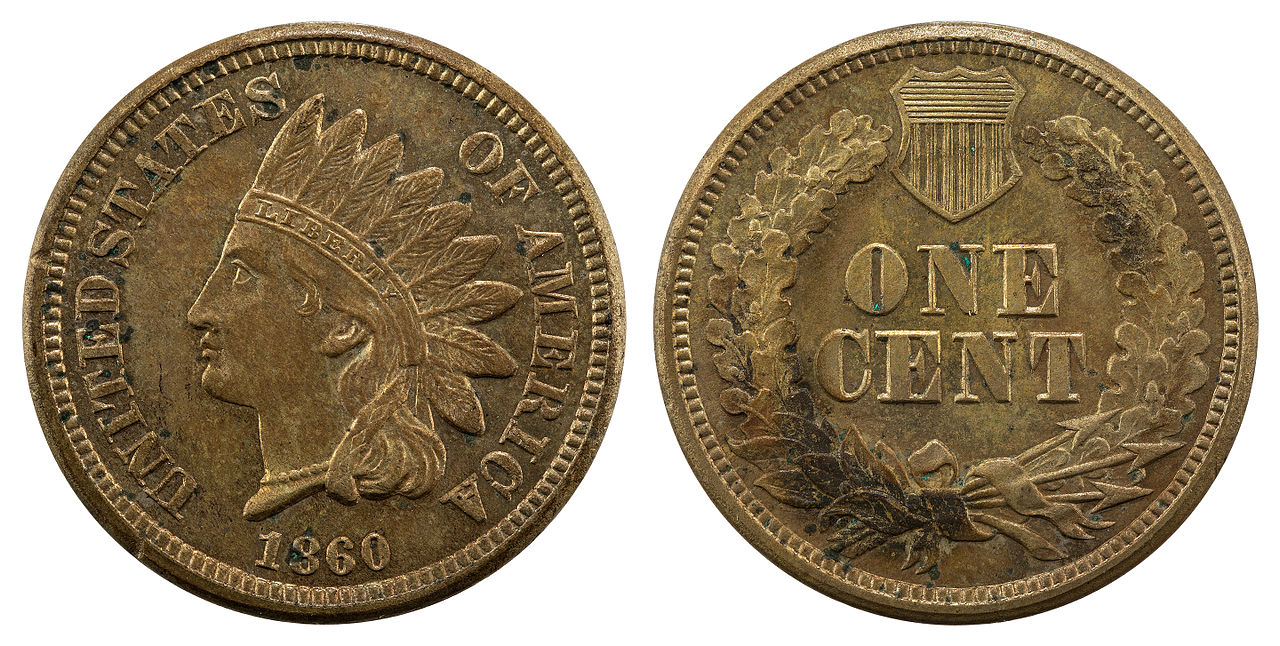
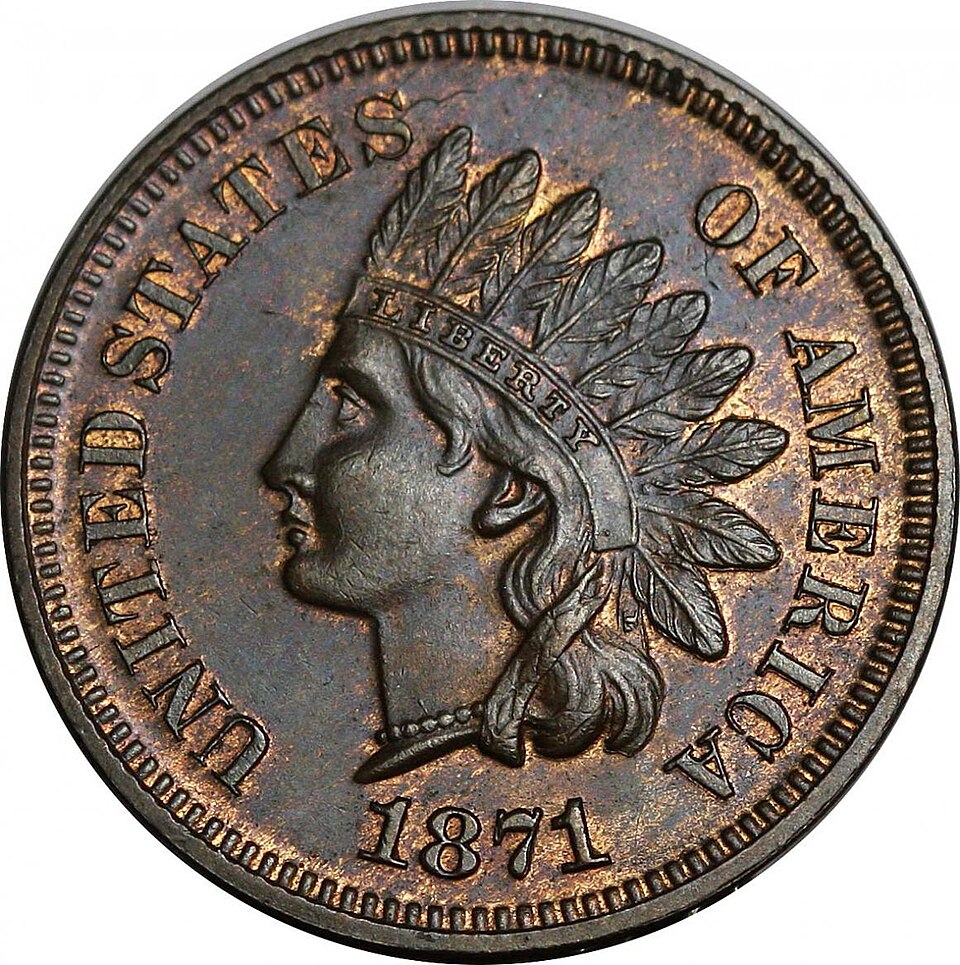
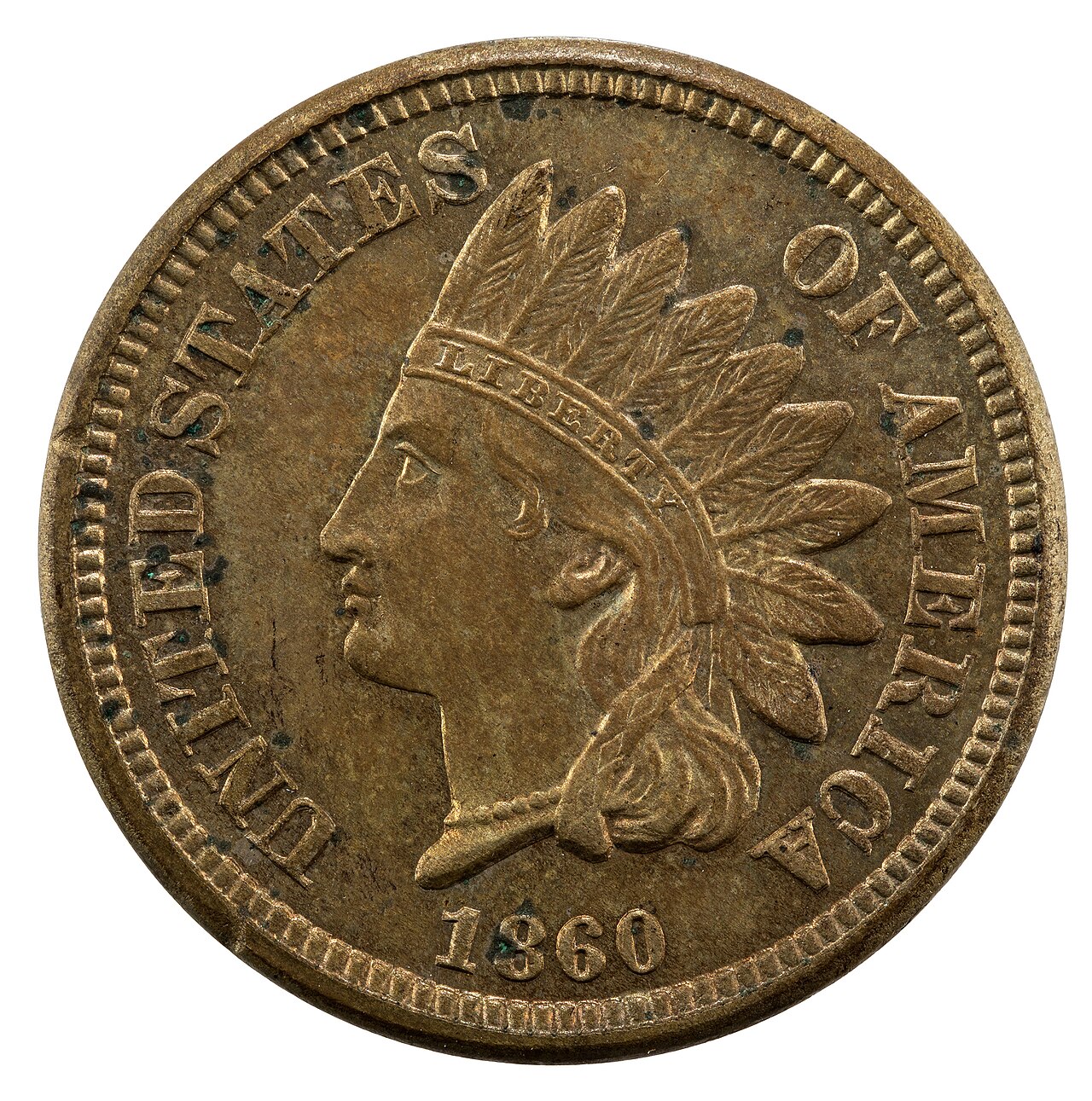
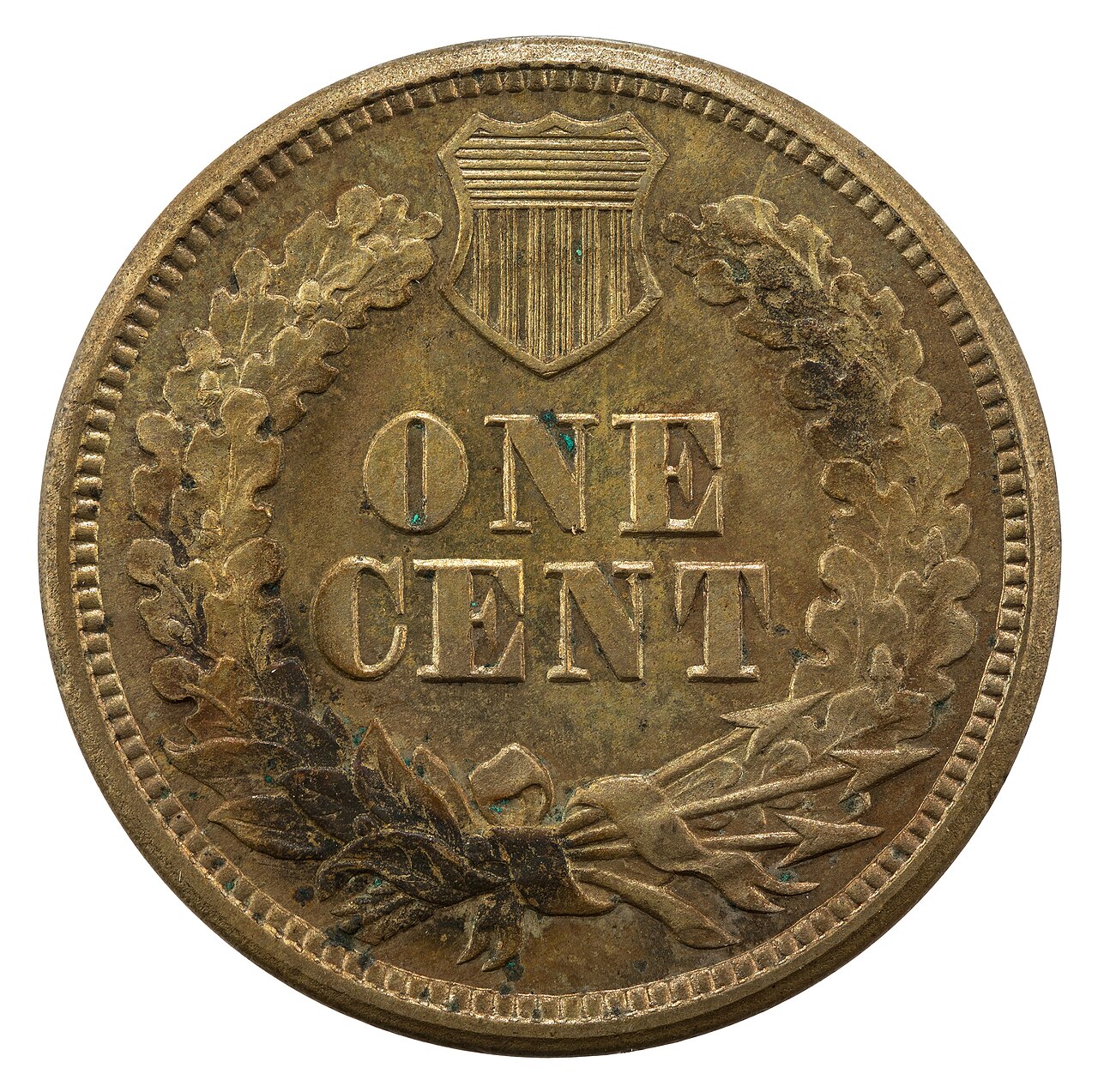
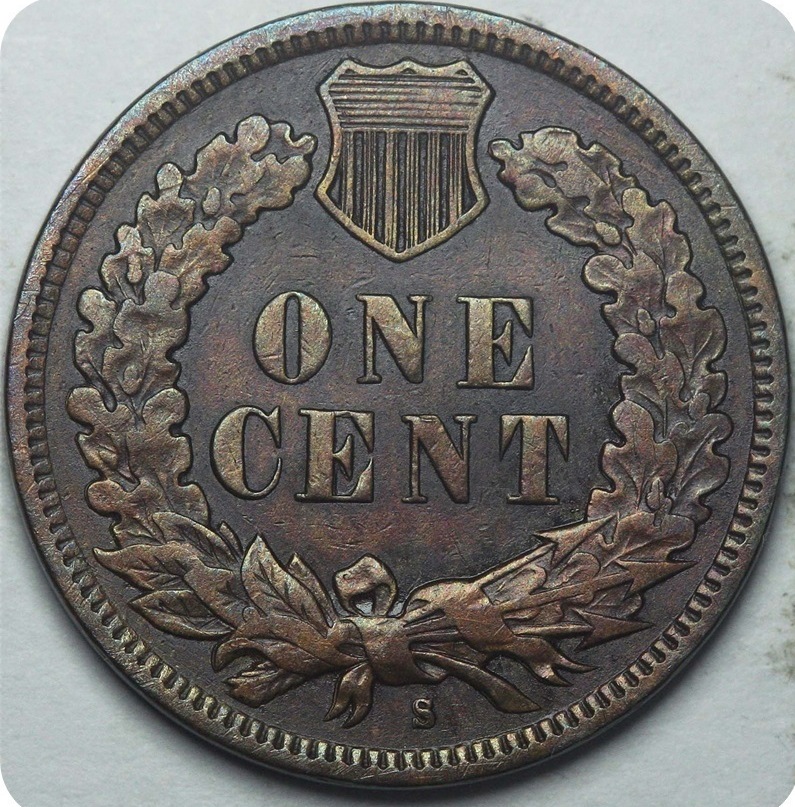
The Indian Head cent is one of the most iconic and widely collected coins in American numismatics. Designed by James Barton Longacre, Chief Engraver of the United States Mint, the series spans from 1859 to 1909 — covering the Civil War, Reconstruction, the Gilded Age, and the dawn of the 20th century. The obverse features a portrait of Liberty wearing a Native American feathered headdress, while the reverse evolved from a laurel wreath (1859 only) to an oak wreath with a small shield (1860–1909). Originally struck in copper-nickel, the composition shifted to bronze during the Civil War when nickel became a strategic material. The Indian Head cent was replaced by the Lincoln cent in 1909, making it a natural bridge between early American coppers and modern coinage.
Indian Head Penny Design and Specifications
James B. Longacre's design debuted in 1859 and continued with only minor modifications for 50 years. Contrary to popular belief, the model was not a Native American — the obverse depicts Liberty wearing a feathered headdress, reportedly inspired by Longacre's daughter Sarah wearing a headdress during a visit from a Native American delegation to the Mint.
| Specification | Copper-Nickel (1859–1864) | Bronze (1864–1909) |
|---|---|---|
| Composition | 88% copper, 12% nickel | 95% copper, 5% tin and zinc |
| Weight | 4.67 grams | 3.11 grams |
| Diameter | 19 mm | 19 mm |
| Edge | Plain | Plain |
| Designer | James B. Longacre | James B. Longacre |
| Mint | Philadelphia only (1859–1907) | Philadelphia (all years), San Francisco (1908–1909) |
The Two Reverse Types
The Indian Head cent has two distinct reverse designs:
- Laurel Wreath Reverse (1859 only): The first year features a laurel wreath enclosing "ONE CENT." This single-year type is popular with collectors and carries a modest premium in all grades
- Oak Wreath with Shield (1860–1909): Starting in 1860, Longacre replaced the laurel wreath with an oak wreath and added a small federal shield at the top. This design continued unchanged through the end of the series
Indian Head Penny Value Chart: Common Dates (1880–1909)
The most affordable Indian Head pennies come from the high-mintage years of the 1880s through 1909. Even common dates carry significant premiums over face value due to their age and collector demand.
| Grade | Value Range |
|---|---|
| About Good (AG-3) | $1.50–$3 |
| Good (G-4) | $2–$5 |
| Very Good (VG-8) | $4–$7 |
| Fine (F-12) | $5–$10 |
| Very Fine (VF-20) | $8–$15 |
| Extremely Fine (EF-40) | $15–$28 |
| About Uncirculated (AU-50) | $30–$55 |
| Uncirculated (MS-60) | $50–$80 |
| Choice Uncirculated (MS-63) | $80–$140 |
| Gem Uncirculated (MS-65) | $175–$400 |
| Superb Gem (MS-66+) | $350–$1,000+ |
These values apply to dates like 1880, 1881, 1882, 1883, 1890, 1891, 1895, 1900, 1901, 1902, 1903, 1904, 1905, 1906, and 1907. Red (RD) uncirculated examples command substantial premiums over brown (BN) or red-brown (RB) examples at MS-63 and above.
Key Date Indian Head Penny Values
Key dates are the coins that drive the most collector interest and represent the strongest long-term value in the series. Low mintages, Civil War-era attrition, and sustained demand make these coins genuinely scarce.
1877 Indian Head Penny Value
The 1877 is the undisputed king of Indian Head pennies and one of the most famous key dates in all of American coinage. With a mintage of only 852,500 — the lowest in the regular-issue bronze series — this coin is a must-have for serious collectors.
| Grade | Value Range |
|---|---|
| About Good (AG-3) | $750–$1,000 |
| Good (G-4) | $1,000–$1,500 |
| Very Good (VG-8) | $1,500–$2,200 |
| Fine (F-12) | $2,200–$3,500 |
| Very Fine (VF-20) | $3,500–$5,500 |
| Extremely Fine (EF-40) | $5,000–$8,000 |
| About Uncirculated (AU-50) | $7,500–$12,000 |
| Uncirculated (MS-60) | $10,000–$15,000 |
| Choice Uncirculated (MS-63 RB) | $15,000–$25,000 |
| Gem Uncirculated (MS-65 RD) | $40,000–$75,000+ |
The 1877 is heavily counterfeited and frequently altered from more common dates (especially the 1879, where the "9" is re-cut to resemble a "7"). Authentication by PCGS or NGC is essential for any purported 1877 Indian Head cent.
1909-S Indian Head Penny Value
The 1909-S is the only San Francisco Mint issue in the final year of the series, with a mintage of just 309,000. It is the rarest regular-issue Indian Head penny and commands strong prices in all grades. The "S" mint mark appears on the reverse, below the wreath.
| Grade | Value Range |
|---|---|
| About Good (AG-3) | $400–$550 |
| Good (G-4) | $550–$750 |
| Very Good (VG-8) | $750–$1,000 |
| Fine (F-12) | $1,000–$1,400 |
| Very Fine (VF-20) | $1,200–$1,800 |
| Extremely Fine (EF-40) | $1,600–$2,500 |
| About Uncirculated (AU-50) | $2,200–$3,500 |
| Uncirculated (MS-60) | $3,500–$5,000 |
| Choice Uncirculated (MS-63 RB) | $5,000–$8,000 |
| Gem Uncirculated (MS-65 RD) | $15,000–$30,000+ |
1872 Indian Head Penny Value
The 1872 has a mintage of 4,042,000 but suffered heavy attrition during the economic upheavals of the 1870s. Survivors in grades above Fine are genuinely scarce, and gem examples are major rarities.
| Grade | Value Range |
|---|---|
| Good (G-4) | $150–$225 |
| Very Good (VG-8) | $225–$350 |
| Fine (F-12) | $400–$650 |
| Very Fine (VF-20) | $650–$1,000 |
| Extremely Fine (EF-40) | $1,000–$1,600 |
| About Uncirculated (AU-50) | $1,500–$2,500 |
| Uncirculated (MS-60) | $2,000–$3,500 |
| Choice Uncirculated (MS-63 RB) | $3,500–$6,000 |
| Gem Uncirculated (MS-65 RD) | $8,000–$20,000+ |
1908-S Indian Head Penny Value
The first San Francisco Mint Indian Head cent, with a mintage of 1,115,000. While more available than the 1909-S, it remains a significant key date.
| Grade | Value Range |
|---|---|
| Good (G-4) | $75–$110 |
| Very Good (VG-8) | $110–$150 |
| Fine (F-12) | $150–$220 |
| Very Fine (VF-20) | $200–$300 |
| Extremely Fine (EF-40) | $275–$425 |
| About Uncirculated (AU-50) | $400–$600 |
| Uncirculated (MS-60) | $550–$850 |
| Choice Uncirculated (MS-63 RB) | $850–$1,500 |
| Gem Uncirculated (MS-65 RD) | $3,500–$8,000+ |
Complete Indian Head Penny Value by Year
1859–1864: Copper-Nickel Issues
The earliest Indian Head pennies were struck in copper-nickel, giving them a distinctive light color compared to later bronze issues. These coins are thicker and heavier than their bronze successors. The 1859 with its unique laurel wreath reverse is a popular one-year type coin.
| Date | Mintage | G-4 | VF-20 | MS-63 |
|---|---|---|---|---|
| 1859 (Laurel Wreath) | 36,400,000 | $12–$18 | $35–$55 | $250–$400 |
| 1860 | 20,566,000 | $10–$14 | $28–$45 | $200–$350 |
| 1861 | 10,100,000 | $25–$40 | $55–$90 | $275–$450 |
| 1862 | 28,075,000 | $8–$12 | $22–$35 | $175–$280 |
| 1863 | 49,840,000 | $8–$12 | $20–$32 | $150–$250 |
| 1864 CN | 13,740,000 | $15–$22 | $35–$55 | $200–$350 |
The 1861 is a semi-key date because the Civil War disrupted distribution and many examples were lost to circulation during the wartime economy. Copper-nickel Indian Head cents occasionally turn up with attractive original surfaces because the alloy resists corrosion better than bronze.
1864–1879: Bronze Transition and Civil War Era
In 1864, the Mint switched to a thinner, lighter bronze planchet (95% copper, 5% tin and zinc). The first year of the new composition includes the famous "L on Ribbon" variety — Longacre's initial "L" is visible on the lower ribbon of Liberty's headdress. This variety commands significant premiums.
| Date | Mintage | G-4 | VF-20 | MS-63 |
|---|---|---|---|---|
| 1864 Bronze (No L) | 39,233,714 | $8–$14 | $25–$40 | $150–$250 |
| 1864-L (L on Ribbon) | Included above | $55–$85 | $150–$250 | $500–$900 |
| 1865 | 35,429,286 | $8–$12 | $22–$35 | $140–$225 |
| 1866 | 9,826,500 | $35–$55 | $85–$140 | $325–$550 |
| 1867 | 9,821,000 | $35–$55 | $85–$140 | $325–$550 |
| 1868 | 10,266,500 | $35–$50 | $80–$130 | $300–$500 |
| 1869 | 6,420,000 | $55–$85 | $150–$250 | $500–$900 |
| 1870 | 5,275,000 | $55–$85 | $135–$225 | $475–$800 |
| 1871 | 3,929,500 | $100–$150 | $225–$375 | $600–$1,100 |
| 1872 | 4,042,000 | $150–$225 | $650–$1,000 | $3,500–$6,000 |
| 1873 (Closed 3) | 11,676,500 | $15–$25 | $45–$75 | $200–$350 |
| 1873 (Open 3) | Included above | $18–$30 | $50–$85 | $225–$400 |
| 1874 | 14,187,500 | $12–$18 | $35–$55 | $175–$300 |
| 1875 | 13,528,000 | $12–$18 | $35–$55 | $175–$300 |
| 1876 | 7,944,000 | $25–$40 | $65–$110 | $275–$475 |
| 1877 | 852,500 | $1,000–$1,500 | $3,500–$5,500 | $15,000–$25,000 |
| 1878 | 5,799,850 | $25–$40 | $65–$110 | $250–$425 |
| 1879 | 16,231,200 | $6–$10 | $18–$30 | $100–$175 |
The years 1866–1878 are challenging for collectors because most dates have mintages under 15 million, and heavy circulation during the post–Civil War period reduced survival rates. The entire decade of the 1870s is packed with semi-key and key dates.
1880–1899: The Affordable Core
The 1880s and 1890s represent the sweet spot for budget-minded collectors. Mintages were generally high, and many examples survived in collectible grades. These decades form the backbone of most Indian Head penny collections.
| Date | Mintage | G-4 | VF-20 | MS-63 |
|---|---|---|---|---|
| 1880 | 38,964,955 | $3–$5 | $10–$16 | $85–$140 |
| 1881 | 39,211,575 | $3–$5 | $10–$16 | $85–$140 |
| 1882 | 38,581,100 | $3–$5 | $10–$16 | $85–$140 |
| 1883 | 45,598,109 | $3–$5 | $10–$16 | $80–$130 |
| 1884 | 23,261,742 | $4–$6 | $12–$20 | $100–$165 |
| 1885 | 11,765,384 | $8–$12 | $25–$40 | $175–$300 |
| 1886 (Type 1) | 17,654,290 | $5–$8 | $20–$35 | $200–$350 |
| 1886 (Type 2) | Included above | $15–$25 | $40–$65 | $225–$375 |
| 1887 | 45,226,483 | $2–$4 | $8–$14 | $75–$120 |
| 1888 | 37,494,414 | $2–$4 | $8–$14 | $80–$130 |
| 1889 | 48,869,361 | $2–$4 | $8–$14 | $75–$120 |
| 1890 | 57,182,854 | $2–$4 | $8–$14 | $75–$120 |
| 1891 | 47,072,350 | $2–$4 | $8–$14 | $75–$120 |
| 1892 | 37,649,832 | $2–$4 | $8–$14 | $75–$120 |
| 1893 | 46,642,195 | $2–$4 | $8–$14 | $75–$120 |
| 1894 | 16,752,132 | $3–$5 | $12–$20 | $100–$165 |
| 1895 | 38,343,636 | $2–$4 | $8–$14 | $75–$120 |
| 1896 | 39,057,293 | $2–$4 | $8–$14 | $75–$120 |
| 1897 | 50,466,330 | $2–$4 | $8–$14 | $75–$120 |
| 1898 | 49,823,079 | $2–$4 | $8–$14 | $75–$120 |
| 1899 | 53,600,031 | $2–$4 | $8–$14 | $75–$120 |
The 1885 and 1886 are the semi-key dates of this era. The 1886 has two die varieties: Type 1 (last feather points between "I" and "C" of AMERICA) and Type 2 (last feather points between "C" and "A"). The Type 2 is scarcer and carries a premium in all grades.
1900–1909: The Final Decade
The last decade of Indian Head cent production saw consistently high mintages as the U.S. economy expanded. These are the most affordable dates in the series and an excellent starting point for new collectors. The 1908 and 1909 San Francisco issues are the only branch mint coins in the entire series.
| Date | Mintage | G-4 | VF-20 | MS-63 |
|---|---|---|---|---|
| 1900 | 66,833,764 | $2–$3 | $6–$10 | $65–$100 |
| 1901 | 79,611,143 | $2–$3 | $6–$10 | $65–$100 |
| 1902 | 87,376,722 | $2–$3 | $6–$10 | $65–$100 |
| 1903 | 85,094,493 | $2–$3 | $6–$10 | $65–$100 |
| 1904 | 61,328,015 | $2–$3 | $6–$10 | $65–$100 |
| 1905 | 80,719,163 | $2–$3 | $6–$10 | $65–$100 |
| 1906 | 96,022,255 | $2–$3 | $6–$10 | $65–$100 |
| 1907 | 108,138,618 | $2–$3 | $6–$10 | $65–$100 |
| 1908 | 32,327,987 | $2–$4 | $8–$14 | $75–$120 |
| 1908-S | 1,115,000 | $75–$110 | $200–$300 | $850–$1,500 |
| 1909 | 14,370,645 | $4–$7 | $12–$20 | $100–$175 |
| 1909-S | 309,000 | $550–$750 | $1,200–$1,800 | $5,000–$8,000 |
The 1907 holds the distinction of the highest mintage in the series at over 108 million coins. The 1909 Philadelphia issue is a popular final-year type coin and pairs naturally with the 1909 VDB Lincoln cent that replaced it.
The Color Designation: Brown, Red-Brown, and Red
For uncirculated Indian Head pennies, the color designation is a critical factor in determining value. As copper coins age, they naturally oxidize from their original bright red-orange color to various shades of brown. Grading services assign one of three color designations:
| Designation | Abbreviation | Description | Value Impact |
|---|---|---|---|
| Brown | BN | Coin has fully toned to chocolate brown or darker shades | Base value for the grade |
| Red-Brown | RB | Mix of original red and brown toning, typically 15–85% original red | 1.5x–2.5x brown value |
| Red | RD | Retains 85%+ of original mint red-orange color | 3x–10x+ brown value |
The color premium is most dramatic for scarce dates. A common-date Indian Head cent might bring $80 in MS-63 BN versus $140 in MS-63 RB versus $400+ in MS-63 RD. For key dates, the multiplier is even more extreme. Originality of color matters greatly — artificially re-toned or dipped coins are detected and penalized by professional grading services.
Valuable Indian Head Penny Errors and Varieties
| Error/Variety | Dates | Value Range |
|---|---|---|
| 1864-L (L on Ribbon) | 1864 | $55–$900+ |
| 1873 Doubled LIBERTY | 1873 | $100–$5,000+ |
| 1886 Type 2 (feather position) | 1886 | $15–$375+ |
| 1888/7 Overdate | 1888 | $75–$5,000+ |
| 1894 Doubled Date | 1894 | $25–$500+ |
| Repunched Dates | Various | $10–$300+ |
| Off-Center Strikes (5–50%) | Various | $25–$500+ |
| Die Cracks and Cuds | Various | $5–$200+ |
| Broadstrikes (no collar) | Various | $30–$250 |
| Clipped Planchets | Various | $15–$150 |
| Struck on Wrong Planchet | Various | $500–$5,000+ |
The 1888/7 Overdate
The 1888/7 overdate is one of the most dramatic and sought-after Indian Head cent varieties. The underlying "7" is clearly visible beneath the final "8" in the date. In Good condition, examples sell for $75–$150, rising to $1,000–$5,000+ in uncirculated grades. Like the 1942/1 Mercury dime overdate, this error occurred when an 1888-dated die was punched over an 1887-dated hub.
The 1873 Doubled LIBERTY
On some 1873 Indian Head cents, the word "LIBERTY" on the headband shows clear doubling. This variety is most visible on higher-grade coins and commands premiums of $100–$5,000+ depending on the strength of the doubling and the coin's grade.
How to Grade Indian Head Pennies
Accurate grading directly determines value. The Sheldon scale runs from 1 to 70, with specific grade points being most important for Indian Head cents.
Key Wear Points
- Feather tips: The tips of the feathers on the headdress are the highest point on the obverse and show friction first — this is the primary grading focal point
- LIBERTY on headband: The word "LIBERTY" is inscribed on the headband above Liberty's forehead. Full, legible letters indicate at least Very Fine condition
- Hair above ear: The hair curls below the headdress flatten with circulation
- Diamond on ribbon: The diamond-shaped pattern on the lower ribbon shows progressive wear
- Wreath detail (reverse): Individual leaves on the oak wreath flatten and merge with wear
- Shield detail (reverse): The horizontal and vertical lines on the small shield at top of the wreath show progressive loss
Quick Grading Reference
| Grade | What to Look For |
|---|---|
| About Good (AG-3) | Outline visible, date readable, nearly all detail worn smooth |
| Good (G-4) | "LIBERTY" not readable but headband outline visible, date clear, rim mostly intact |
| Very Good (VG-8) | At least 2 letters of "LIBERTY" readable, some feather detail at tips |
| Fine (F-12) | Full "LIBERTY" readable but not sharp, half of feather detail visible |
| Very Fine (VF-20) | "LIBERTY" sharp and complete, most feather tips visible though some flatness on highest points |
| Extremely Fine (EF-40) | All feathers sharp with light wear on tips only, diamond on ribbon nearly complete |
| About Uncirculated (AU-50) | Trace wear on feather tips and hair above ear only, substantial luster on bronze examples |
| Uncirculated (MS-60+) | No wear; graded by luster, strike quality, contact marks, and color (BN/RB/RD) |
The "LIBERTY" on the headband is the single most important grading feature for Indian Head cents. A coin where all letters are fully legible is at least Fine; sharp, fully struck letters indicate Very Fine or better.
Indian Head Penny Collecting Strategies
Strategy 1: Short Set (1880–1909, Budget-Friendly)
Collect one Indian Head cent for each year from 1880 through 1909, excluding the San Francisco Mint issues. This 30-coin set (plus the two S-mint coins if budget allows) can be assembled in Good to Very Good condition for approximately $100–$200. It's an excellent introduction to the series.
Strategy 2: Complete Date Set (1859–1909)
A complete set by date (one from each year, cheapest variety/mint) requires approximately 53 coins. In circulated grades (Good to Fine), expect to spend $4,000–$12,000. The 1877 alone will account for 25–40% of the total cost.
Strategy 3: Complete Date and Variety Set
Adding the major varieties — the 1859 laurel wreath, the 1864-L, the 1873 varieties, the 1886 Type 1 and Type 2, the 1888/7 overdate, and both S-mint issues — creates a more comprehensive collection of approximately 58 coins. Budget $5,000–$18,000+ in circulated grades.
Strategy 4: Key Dates and Semi-Keys Only
Focus on the coins with the strongest long-term investment potential: the 1877, 1909-S, 1908-S, 1872, 1871, 1869, and the 1864-L. Buy the best grade you can afford and always insist on PCGS or NGC certification for coins valued over $100.
Strategy 5: Red Gem Set (Advanced)
For the advanced collector, assembling a set of MS-65 RD (full red) Indian Head cents is one of the most challenging goals in copper numismatics. Many dates are exceedingly rare in full red, and maintaining original color over 120+ years is exceptionally uncommon.
Estimated Budget by Completion Level
| Collection Goal | Estimated Cost |
|---|---|
| Short set (1880–1909), any mint, G-4 | $100–$200 |
| Complete by date, G-4 | $4,000–$12,000 |
| Complete with varieties, VF-20 | $12,000–$30,000 |
| Complete by date, MS-63 BN | $8,000–$30,000+ |
| Complete by date, MS-65 RD | $50,000–$200,000+ |
Where to Buy Indian Head Pennies
Coin Dealers and Shows
Most coin shops carry Indian Head pennies at all price levels. The common dates from 1880–1909 are readily available, while key dates like the 1877 and 1909-S are offered by specialized dealers. Coin shows provide opportunities to examine coins in person and negotiate prices.
Online Auctions and Marketplaces
- Heritage Auctions: The premier auction house for certified Indian Head cents, especially key dates and high-grade color coins
- eBay: Wide selection at all price points — always buy PCGS/NGC certified coins for purchases over $50 to ensure authenticity
- Great Collections: Online auction site specializing in certified U.S. coins with competitive buyer's premiums
Estate Sales and Inherited Collections
Indian Head pennies are among the most commonly found coins in inherited collections and old jars of coins. Their distinctive design makes them immediately recognizable even to non-collectors. If you've inherited a collection, sort by date first — a single 1877, 1872, or 1909-S can be worth hundreds or thousands of dollars. CoinID can instantly identify each coin from a photo, saving you hours of manual sorting and giving you current market values.
Authentication and Counterfeits
The 1877 Indian Head cent is one of the most frequently counterfeited and altered U.S. coins. Common deceptions include:
- Altered dates: Changing an 1879 to an 1877 by re-cutting the "9" to look like a "7"
- Added mint marks: Adding an "S" to 1908 or 1909 Philadelphia coins to simulate the scarce S-mint issues
- Cast counterfeits: Low-quality reproductions with soft details and incorrect weight
- Struck counterfeits: Higher-quality fakes that require expert examination to detect
For any Indian Head cent with a claimed value over $100, insist on PCGS or NGC certification. Both services guarantee authenticity and provide a standardized grade that facilitates buying, selling, and insuring.
Indian Head Penny Investment Outlook
Indian Head pennies have been consistently strong performers in the numismatic market. The series benefits from multiple demand drivers that support long-term value:
- Historical significance: Spans the Civil War, Reconstruction, and the Industrial Age — 50 years of American history in one design
- Broad collector base: Attracts type collectors, series completists, and casual collectors who recognize the iconic design
- Age appeal: Every coin in the series is at least 117 years old, with the oldest being 167 years old
- Color premiums: The BN/RB/RD spectrum creates additional collecting tiers and price differentiation for uncirculated coins
- Finite supply: No more will ever be made, and high-grade examples with original red color are absorbed into permanent collections
- Entry point accessibility: Common dates starting at $2–$5 make the series accessible to beginning collectors who may eventually pursue key dates
Frequently Asked Questions
How much is an Indian Head penny worth?
Most common-date Indian Head pennies (1880–1909) are worth $2–$15 in circulated condition, depending on grade. Key dates like the 1877 ($1,000+ in Good), 1909-S ($550+ in Good), and 1872 ($150+ in Good) are worth significantly more. Uncirculated examples with original red color command the highest premiums.
What is the most valuable Indian Head penny?
The most valuable Indian Head penny is the 1877 in gem uncirculated condition with full original red color. A PCGS MS-67 RD 1877 would be worth $100,000+. The 1909-S is the rarest by mintage (309,000 coins), and gem examples with red color can reach $30,000+.
How can I tell if my Indian Head penny is valuable?
Check the date first — the 1877, 1909-S, 1908-S, 1872, 1871, 1869, and 1870 are key and semi-key dates. Next, check for the "S" mint mark on the reverse of 1908 and 1909 issues. Finally, assess condition: coins with full "LIBERTY" on the headband (Very Fine or better) are worth more. CoinID can instantly identify your coin's date, variety, and approximate value from a photo.
Where is the mint mark on an Indian Head penny?
The mint mark is on the reverse (tails side), below the wreath at the bottom of the coin. Only 1908-S and 1909-S Indian Head cents have mint marks — all other dates were struck exclusively at the Philadelphia Mint, which did not use a mint mark.
What is the 1864-L Indian Head penny?
In 1864, when the composition changed from copper-nickel to bronze, engraver James B. Longacre added his initial "L" to the lower ribbon on Liberty's headdress. This "L on Ribbon" variety is visible under magnification and commands premiums of $55–$900+ depending on grade, compared to the regular 1864 bronze issue without the "L."
Are copper-nickel Indian Head pennies worth more?
Generally yes. Copper-nickel Indian Head cents (1859–1864) tend to be worth more than common-date bronze issues because they represent an earlier, shorter-lived composition with lower overall mintages and strong collector demand from type collectors seeking one of each composition.
Should I clean my Indian Head penny?
Never clean an Indian Head penny. The natural chocolate-brown patina that develops on copper coins over 100+ years is considered desirable by collectors and grading services. Cleaning removes this patina, damages the surface, and reduces value by 50–75%. Coins cleaned by any method (polishing, dipping, chemicals) receive "Details" grades from PCGS and NGC, significantly reducing their market value.
How do I tell the difference between a real 1877 and a fake?
The most common fakes involve altering an 1879 by re-cutting the "9." Look for tool marks around the date, unnatural metal flow, and compare the digit shapes to known genuine examples. Struck counterfeits may have incorrect weight (should be 3.11 grams for bronze) or diameter. Always buy 1877 Indian Head cents certified by PCGS or NGC.
Can I find Indian Head pennies in circulation?
It's extremely unlikely but not impossible. Indian Head cents were last minted in 1909 and were largely withdrawn from circulation by the 1930s. Occasionally they turn up in old rolls of pennies from banks or estate collections. Your best chances are searching through old accumulations, estate sales, and antique stores.
What's the difference between 1886 Type 1 and Type 2?
The two types differ in the position of the last feather on Liberty's headdress relative to the word "AMERICA" on the obverse. On Type 1, the last feather points between the "I" and "C." On Type 2, it points between the "C" and "A." The Type 2 is scarcer, particularly in uncirculated grades, and carries a premium.
Conclusion
The Indian Head penny series (1859–1909) stands as one of the most rewarding and historically rich collecting areas in American numismatics. Spanning five decades that saw the nation through the Civil War, Reconstruction, and into the modern era, these small copper coins carry enormous significance. From affordable common dates in the $2–$15 range to five-figure rarities like the 1877 in gem condition, the series accommodates every budget and ambition level. The color dimension (BN/RB/RD) adds depth that keeps advanced collectors engaged, while the iconic design and historical appeal attract newcomers year after year. Whether you've discovered a jar of old pennies in an attic, are building a carefully curated date set, or are hunting for that elusive 1877 in pristine condition, CoinID helps you instantly identify your Indian Head cents, check for valuable dates and varieties, and get current market values — just snap a photo and let the app do the work.