Quick Answer: Most common-date Walking Liberty half dollars in circulated condition are worth $15–$40, supported by their silver content of 0.3617 troy ounces of .900 fine silver. Key dates like the 1921-D ($150–$6,000+), 1921 ($100–$4,000+), and 1916-S ($75–$1,200+) command significant premiums. The Walking Liberty series (1916–1947) is widely regarded as one of the most beautiful designs in all of American coinage — so iconic that the U.S. Mint revived it for the American Silver Eagle bullion program beginning in 1986. With 65 date-and-mintmark combinations spanning three decades of American history, this series offers collectors a challenging but deeply rewarding pursuit.
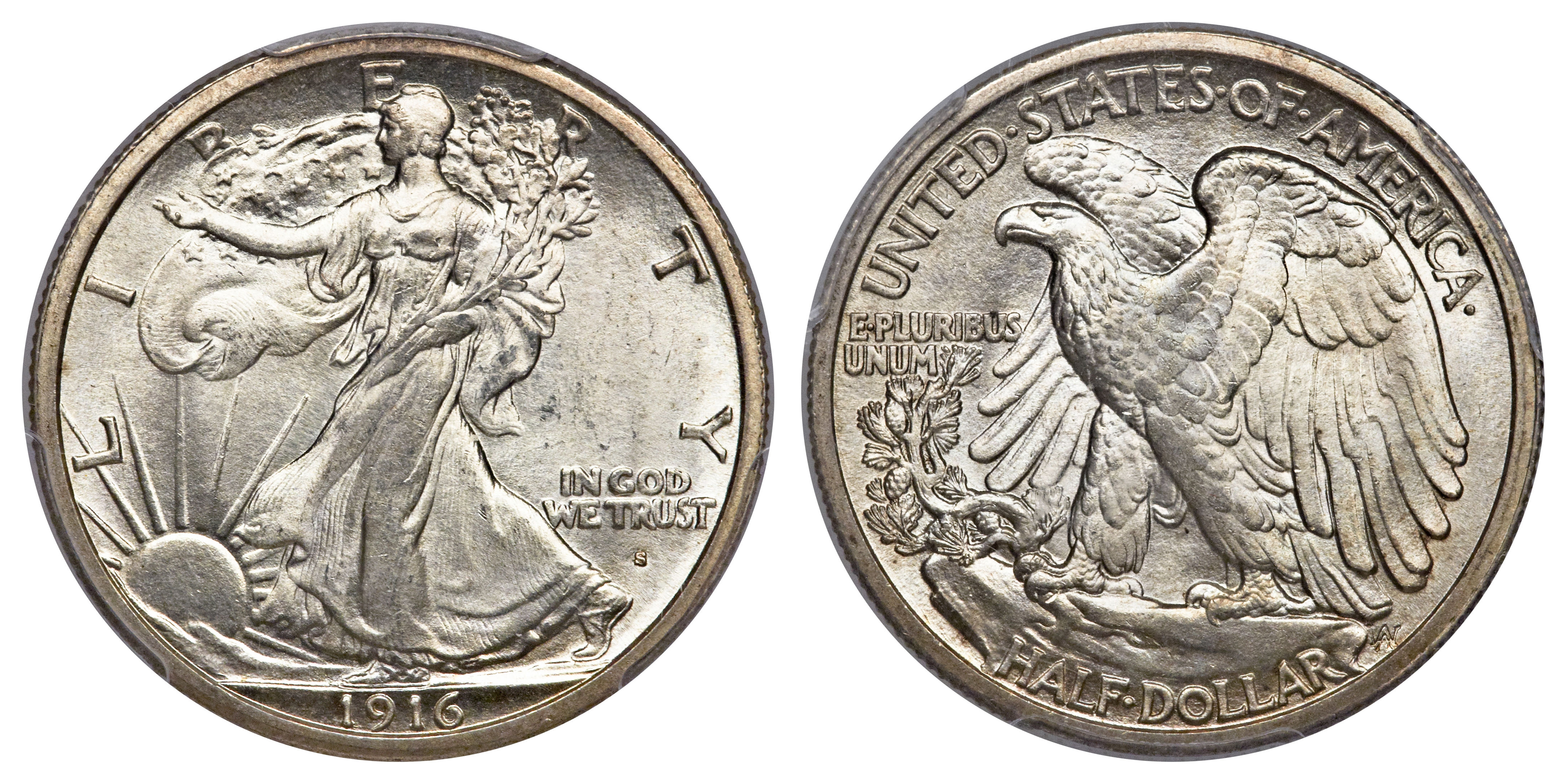
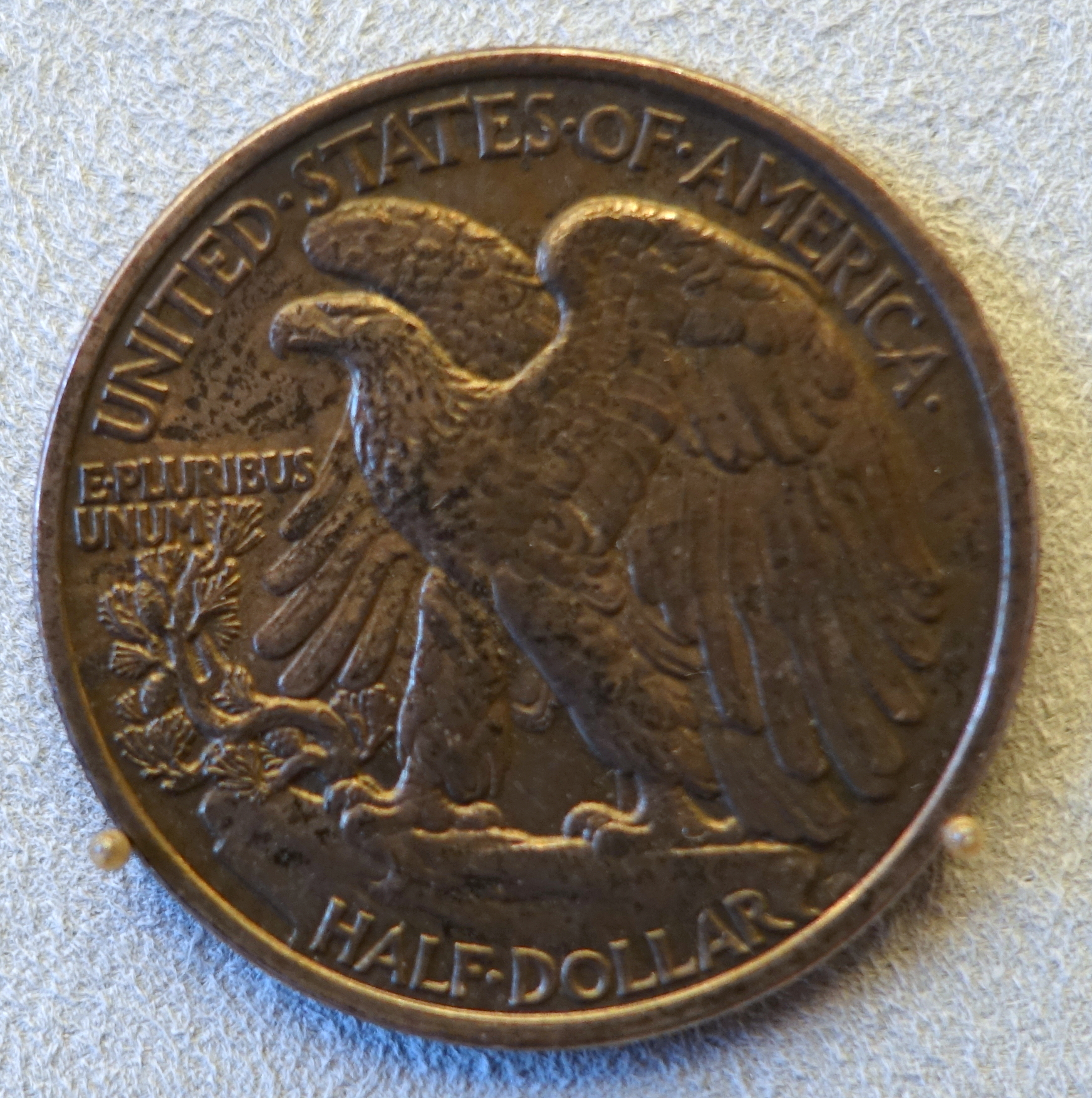
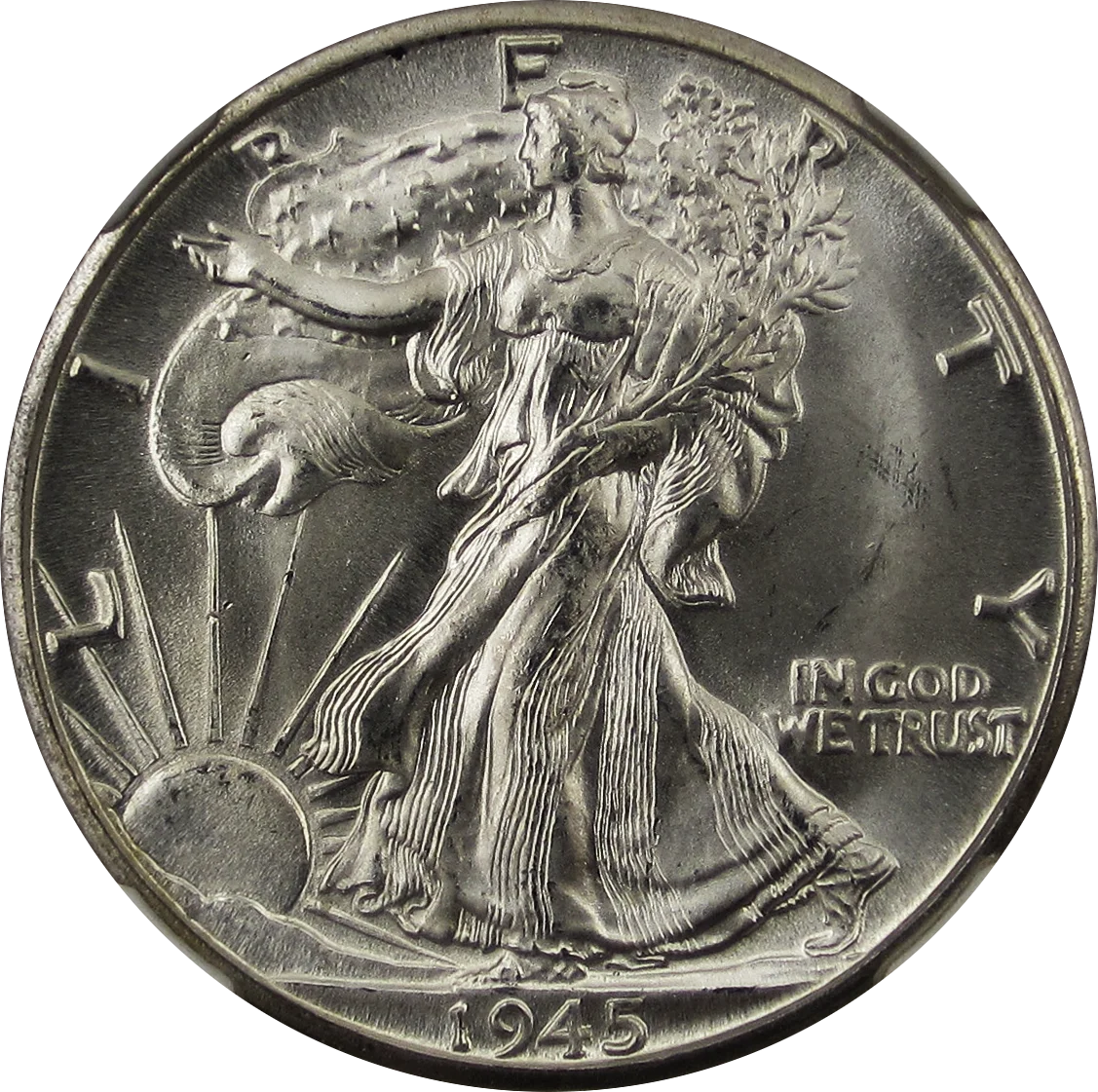
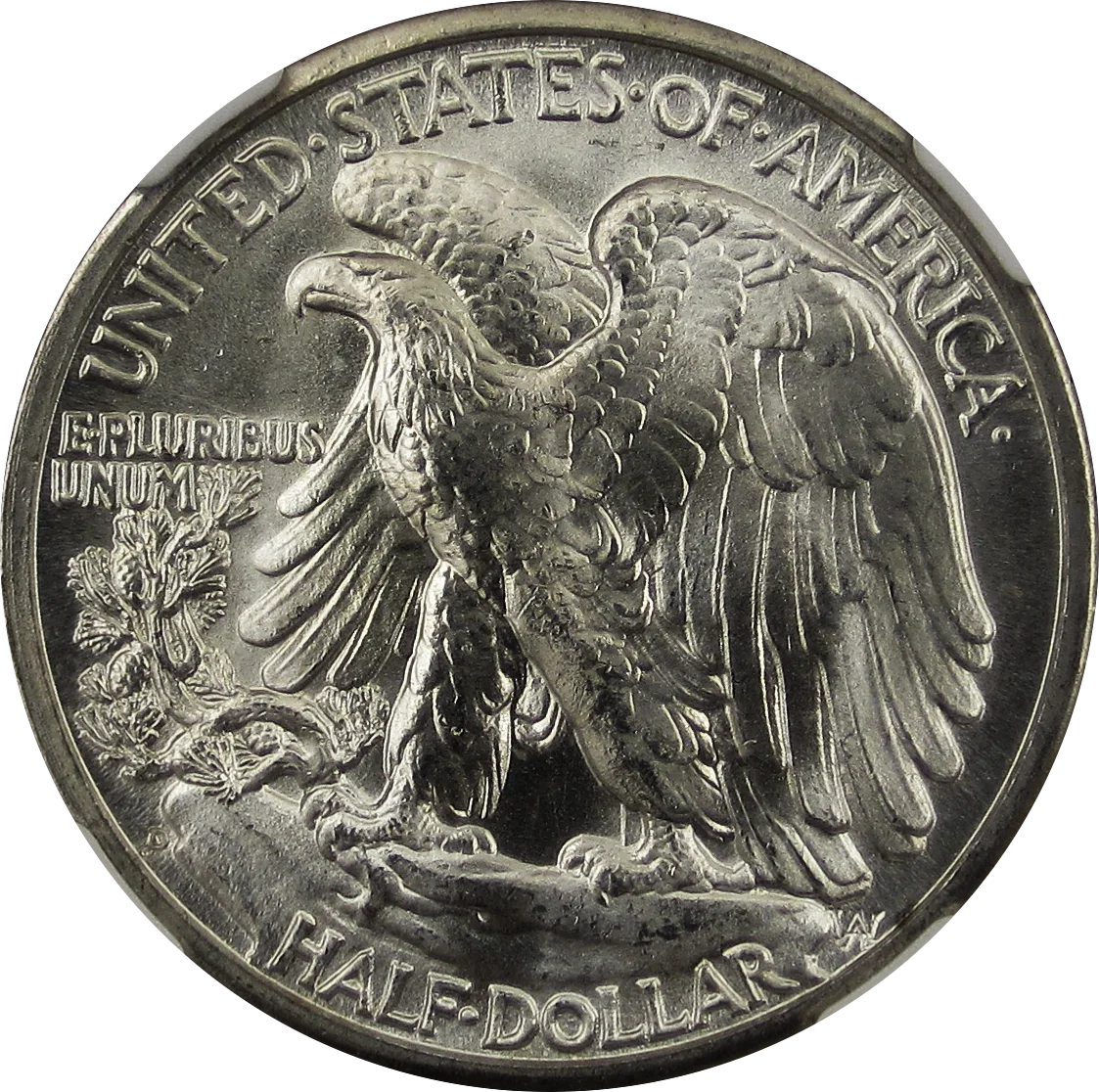
Designed by German-born sculptor Adolph Alexander Weinman, the Walking Liberty half dollar replaced the Barber half dollar in 1916 following a design competition organized by the Commission of Fine Arts. Weinman — a student of legendary sculptor Augustus Saint-Gaudens — simultaneously won the competition to redesign the dime, creating the Mercury (Winged Liberty) dime. The obverse of the half dollar depicts a full-length figure of Liberty striding confidently toward the sunrise, draped in an American flag, her right hand outstretched in a gesture symbolizing freedom, and her left arm cradling olive branches representing peace. The reverse features a bald eagle perched on a rocky crag with a pine sapling sprouting from the mountainside, symbolizing America's strength and growth. The design proved technically challenging for the United States Mint — dies wore quickly, and many issues were weakly struck — but its artistic merit has never been questioned.
Walking Liberty Half Dollar Specifications
| Specification | Detail |
|---|---|
| Composition | 90% silver, 10% copper |
| Weight | 12.50 grams |
| Diameter | 30.63 mm (1.21 inches) |
| Thickness | 1.8 mm |
| Edge | Reeded |
| Silver Content | 0.3617 troy ounces pure silver |
| Designer | Adolph Alexander Weinman |
| Mints | Philadelphia (no mark), Denver (D), San Francisco (S) |
Mint Mark Location Change
One of the most interesting features of this series is the mint mark migration. From 1916 through early 1917, the mint mark appeared on the obverse, beneath the motto "IN GOD WE TRUST." Starting in mid-1917, it was moved to the reverse, on the lower left near the 8 o'clock position. This creates two distinct subtypes for 1917-D and 1917-S coins — obverse mint mark and reverse mint mark — with the obverse varieties generally commanding premiums as the scarcer subtype.
Walking Liberty Half Dollar Value Chart: Common Dates
The most affordable Walking Liberty halves come from the high-mintage wartime production years of 1940–1947, when tens of millions were struck annually. Even common dates carry meaningful value due to their 90% silver composition.
| Grade | Value Range |
|---|---|
| About Good (AG-3) | $12–$16 |
| Good (G-4) | $15–$20 |
| Very Good (VG-8) | $16–$22 |
| Fine (F-12) | $18–$28 |
| Very Fine (VF-20) | $22–$35 |
| Extremely Fine (EF-40) | $28–$45 |
| About Uncirculated (AU-50) | $40–$65 |
| Uncirculated (MS-60) | $55–$90 |
| Choice Uncirculated (MS-63) | $80–$150 |
| Gem Uncirculated (MS-65) | $150–$500 |
| Superb Gem (MS-66+) | $350–$2,000+ |
These values apply to dates like 1941, 1942, 1943, 1944, 1945, 1946, and 1947. In MS-65 and above, even common dates become scarce because the Walking Liberty design's complex high points are extremely susceptible to contact marks from bag handling.
Key Date Walking Liberty Half Dollar Values
Key dates are the coins that drive the most collector interest and command the highest premiums. In the Walking Liberty series, the early dates (1916–1921) and certain low-mintage issues dominate the key date list.
1921-D Walking Liberty Half Dollar Value
The 1921-D is the undisputed rarity king of the Walking Liberty series with the lowest mintage of any issue at just 208,000 coins. Finding one in any grade is a challenge, and uncirculated examples are extraordinarily rare.
| Grade | Value Range |
|---|---|
| About Good (AG-3) | $150–$200 |
| Good (G-4) | $175–$250 |
| Very Good (VG-8) | $225–$375 |
| Fine (F-12) | $350–$600 |
| Very Fine (VF-20) | $600–$1,100 |
| Extremely Fine (EF-40) | $1,200–$2,200 |
| About Uncirculated (AU-50) | $2,500–$4,000 |
| Uncirculated (MS-60) | $3,500–$5,500 |
| Choice Uncirculated (MS-63) | $5,000–$12,000 |
| Gem Uncirculated (MS-65) | $40,000–$150,000+ |
Authentication by PCGS or NGC is essential for any purported 1921-D Walking Liberty half. Counterfeits — including altered mint marks on more common coins — circulate regularly.
1921 Walking Liberty Half Dollar Value
The 1921 Philadelphia issue has a mintage of just 246,000, making it the second-rarest date in the regular series. Like the 1921-D, surviving examples are heavily worn because these coins circulated extensively during the economic boom of the 1920s.
| Grade | Value Range |
|---|---|
| About Good (AG-3) | $100–$140 |
| Good (G-4) | $125–$175 |
| Very Good (VG-8) | $175–$275 |
| Fine (F-12) | $275–$500 |
| Very Fine (VF-20) | $500–$850 |
| Extremely Fine (EF-40) | $900–$1,800 |
| About Uncirculated (AU-50) | $2,000–$3,500 |
| Uncirculated (MS-60) | $3,000–$5,000 |
| Choice Uncirculated (MS-63) | $4,500–$10,000 |
| Gem Uncirculated (MS-65) | $30,000–$100,000+ |
1921-S Walking Liberty Half Dollar Value
The 1921-S has a mintage of 548,000 — more than either the 1921 or 1921-D — but is a major condition rarity in high grades. San Francisco's notoriously weak strikes and the coin's heavy circulation mean that well-preserved examples are extremely scarce.
| Grade | Value Range |
|---|---|
| About Good (AG-3) | $40–$60 |
| Good (G-4) | $50–$75 |
| Very Good (VG-8) | $65–$110 |
| Fine (F-12) | $150–$350 |
| Very Fine (VF-20) | $500–$1,200 |
| Extremely Fine (EF-40) | $1,500–$3,500 |
| About Uncirculated (AU-50) | $3,500–$7,000 |
| Uncirculated (MS-60) | $6,000–$12,000 |
| Choice Uncirculated (MS-63) | $12,000–$25,000 |
| Gem Uncirculated (MS-65) | $50,000–$200,000+ |
1916-S Walking Liberty Half Dollar Value
The 1916-S is the first-year San Francisco issue with a mintage of 508,000. As a first-year-of-issue coin with the obverse mint mark, it carries strong type coin demand in addition to its key date status.
| Grade | Value Range |
|---|---|
| About Good (AG-3) | $75–$100 |
| Good (G-4) | $85–$120 |
| Very Good (VG-8) | $100–$165 |
| Fine (F-12) | $150–$250 |
| Very Fine (VF-20) | $275–$450 |
| Extremely Fine (EF-40) | $450–$750 |
| About Uncirculated (AU-50) | $750–$1,200 |
| Uncirculated (MS-60) | $1,000–$1,800 |
| Choice Uncirculated (MS-63) | $1,800–$4,000 |
| Gem Uncirculated (MS-65) | $8,000–$30,000+ |
1919-D Walking Liberty Half Dollar Value
The 1919-D has a mintage of 1,165,000, but it is a notorious condition rarity. Most surviving examples are heavily circulated, and uncirculated coins are among the most sought-after pieces in the entire series.
| Grade | Value Range |
|---|---|
| Good (G-4) | $30–$50 |
| Very Fine (VF-20) | $200–$500 |
| Extremely Fine (EF-40) | $600–$1,200 |
| About Uncirculated (AU-50) | $1,500–$3,000 |
| Uncirculated (MS-60) | $3,000–$6,500 |
| Gem Uncirculated (MS-65) | $20,000–$75,000+ |
Complete Walking Liberty Half Dollar Value by Year
1916–1921: The Early Dates
The early years of the Walking Liberty series are the most valuable, with low mintages and heavy circulation reducing the surviving population. These coins were struck during and just after World War I, a period of high economic activity that kept coins moving through commerce.
| Date | Mintage | G-4 | VF-20 | MS-63 |
|---|---|---|---|---|
| 1916 | 608,000 | $55–$75 | $175–$300 | $1,000–$2,000 |
| 1916-D | 1,014,400 | $40–$60 | $120–$200 | $800–$1,600 |
| 1916-S | 508,000 | $85–$120 | $275–$450 | $1,800–$4,000 |
| 1917 | 12,292,000 | $15–$22 | $35–$60 | $200–$400 |
| 1917-D (Obverse) | 765,400 | $30–$50 | $150–$350 | $1,500–$4,000 |
| 1917-D (Reverse) | 1,940,000 | $18–$28 | $50–$100 | $500–$1,200 |
| 1917-S (Obverse) | 952,000 | $25–$40 | $100–$250 | $1,200–$3,500 |
| 1917-S (Reverse) | 5,554,000 | $15–$22 | $40–$80 | $400–$1,000 |
| 1918 | 6,634,000 | $15–$22 | $35–$70 | $350–$800 |
| 1918-D | 3,853,040 | $16–$25 | $50–$100 | $600–$1,500 |
| 1918-S | 10,282,000 | $15–$22 | $35–$70 | $350–$800 |
| 1919 | 962,000 | $25–$40 | $100–$225 | $800–$2,000 |
| 1919-D | 1,165,000 | $30–$50 | $200–$500 | $3,000–$6,500 |
| 1919-S | 1,552,000 | $25–$40 | $100–$250 | $1,500–$4,000 |
| 1920 | 6,372,000 | $15–$22 | $35–$65 | $250–$600 |
| 1920-D | 1,551,000 | $18–$30 | $65–$150 | $700–$2,000 |
| 1920-S | 4,624,000 | $15–$22 | $40–$80 | $400–$1,200 |
| 1921 | 246,000 | $125–$175 | $500–$850 | $4,500–$10,000 |
| 1921-D | 208,000 | $175–$250 | $600–$1,100 | $5,000–$12,000 |
| 1921-S | 548,000 | $50–$75 | $500–$1,200 | $12,000–$25,000 |
The 1917-D and 1917-S each come in two varieties — obverse mint mark and reverse mint mark — because the Mint relocated the mint mark partway through the year. The obverse mint mark varieties are scarcer and more valuable.
1923–1929: The Middle Years
After a one-year gap in 1922 (no half dollars were struck), production resumed with generally lower mintages than the wartime issues. Several semi-key dates emerge from this period.
| Date | Mintage | G-4 | VF-20 | MS-63 |
|---|---|---|---|---|
| 1923-S | 2,178,000 | $16–$25 | $40–$80 | $350–$800 |
| 1927-S | 2,392,000 | $16–$22 | $30–$55 | $200–$500 |
| 1928-S | 1,940,000 | $16–$22 | $30–$55 | $200–$500 |
| 1929-D | 1,001,200 | $16–$25 | $30–$55 | $200–$450 |
| 1929-S | 1,902,000 | $16–$22 | $28–$50 | $175–$400 |
These years were skipped more than you might expect — no Walking Liberty halves were minted at Philadelphia from 1923 to 1932, and Denver had several gaps. The San Francisco Mint carried the series during much of this period.
1933–1938: Depression-Era Scarcity
Production was suspended entirely from 1930 to 1932 during the Great Depression. When striking resumed in 1933, mintages were modest, creating several semi-key dates.
| Date | Mintage | G-4 | VF-20 | MS-63 |
|---|---|---|---|---|
| 1933-S | 1,786,000 | $16–$22 | $28–$50 | $175–$400 |
| 1934 | 6,964,000 | $15–$20 | $22–$35 | $80–$175 |
| 1934-D | 2,361,400 | $16–$22 | $28–$50 | $150–$350 |
| 1934-S | 3,652,000 | $15–$20 | $25–$40 | $200–$500 |
| 1935 | 9,162,000 | $15–$20 | $22–$35 | $75–$150 |
| 1935-D | 3,003,800 | $15–$20 | $25–$40 | $120–$275 |
| 1935-S | 3,854,000 | $15–$20 | $25–$40 | $120–$300 |
| 1936 | 12,617,901 | $15–$20 | $22–$35 | $75–$140 |
| 1936-D | 4,252,400 | $15–$20 | $24–$38 | $100–$225 |
| 1936-S | 3,884,000 | $15–$20 | $25–$40 | $100–$250 |
| 1937 | 9,527,728 | $15–$20 | $22–$35 | $75–$140 |
| 1937-D | 1,676,000 | $16–$22 | $30–$50 | $175–$375 |
| 1937-S | 2,090,000 | $16–$22 | $28–$45 | $150–$350 |
| 1938 | 4,118,152 | $15–$20 | $24–$40 | $100–$225 |
| 1938-D | 491,600 | $60–$85 | $110–$175 | $400–$800 |
The 1938-D, with a mintage of just 491,600, is the final-year Denver issue and a classic semi-key date that every Walking Liberty collector needs.
1939–1947: The Final Years
The last decade of production saw much higher mintages driven by World War II demand. These are the most affordable dates in the series and excellent starting points for new collectors.
| Date | Mintage | G-4 | VF-20 | MS-63 |
|---|---|---|---|---|
| 1939 | 6,820,808 | $15–$20 | $22–$35 | $70–$130 |
| 1939-D | 4,267,800 | $15–$20 | $22–$35 | $80–$150 |
| 1939-S | 2,552,000 | $15–$20 | $24–$38 | $120–$275 |
| 1940 | 9,167,279 | $15–$18 | $22–$32 | $65–$120 |
| 1940-S | 4,550,000 | $15–$18 | $22–$35 | $80–$150 |
| 1941 | 24,207,412 | $15–$18 | $22–$30 | $60–$100 |
| 1941-D | 11,248,400 | $15–$18 | $22–$30 | $60–$100 |
| 1941-S | 8,098,000 | $15–$18 | $22–$30 | $65–$110 |
| 1942 | 47,839,120 | $15–$18 | $22–$30 | $55–$90 |
| 1942-D | 10,973,800 | $15–$18 | $22–$30 | $60–$100 |
| 1942-S | 12,708,000 | $15–$18 | $22–$30 | $65–$110 |
| 1943 | 53,190,000 | $15–$18 | $22–$30 | $55–$90 |
| 1943-D | 11,346,000 | $15–$18 | $22–$30 | $60–$100 |
| 1943-S | 13,450,000 | $15–$18 | $22–$30 | $65–$110 |
| 1944 | 28,206,000 | $15–$18 | $22–$30 | $55–$90 |
| 1944-D | 9,769,000 | $15–$18 | $22–$30 | $60–$100 |
| 1944-S | 8,904,000 | $15–$18 | $22–$30 | $65–$110 |
| 1945 | 31,502,000 | $15–$18 | $22–$30 | $55–$90 |
| 1945-D | 9,966,800 | $15–$18 | $22–$30 | $60–$100 |
| 1945-S | 10,156,000 | $15–$18 | $22–$30 | $65–$110 |
| 1946 | 12,118,000 | $15–$18 | $22–$30 | $55–$90 |
| 1946-D | 2,151,000 | $15–$18 | $24–$35 | $80–$150 |
| 1946-S | 3,724,000 | $15–$18 | $22–$30 | $65–$120 |
| 1947 | 4,094,000 | $15–$18 | $22–$32 | $70–$130 |
| 1947-D | 3,900,600 | $15–$18 | $22–$32 | $70–$130 |
The 1942 and 1943 Philadelphia issues, with mintages exceeding 47 million and 53 million respectively, are the most common Walking Liberty halves and serve as ideal starter coins for new collectors.
Strike Quality: The Hidden Value Factor
Strike quality is arguably more important for Walking Liberty half dollars than any other major 20th-century series. The intricate design — particularly Liberty's hand, head, and the lines of her gown — made full strikes extremely difficult to achieve. Collectors and dealers use the term "Full Strike" (abbreviated FS) to describe coins where Liberty's hand, thumb, and the skirt lines show complete detail.
What to Look For in a Well-Struck Walking Liberty
- Liberty's hand and fingers: The right hand outstretched toward the sun should show individual fingers with separation — most coins show this area as a flat, mushy blob
- Head detail: Liberty's facial features and the details of her cap should be sharp and defined
- Skirt lines: The lines in Liberty's gown, particularly at the center, should show clear separation
- Eagle's breast feathers (reverse): Individual feathers should be visible, not blended together
- Pine branch detail: The sapling sprouting from the rock should show individual needles
A well-struck Walking Liberty in MS-63 can be worth considerably more than a weakly-struck example in MS-64. This is especially true for San Francisco issues from the 1920s and 1940s, where fully struck coins are the rare exception. The designation "Full Strike" from PCGS or "FS" on an NGC holder can add 20–50% or more to a coin's value.
Walking Liberty Half Dollar Error and Variety Guide
| Error/Variety | Date | Value Range |
|---|---|---|
| 1917-D Obverse Mint Mark | 1917-D | $30–$4,000+ |
| 1917-S Obverse Mint Mark | 1917-S | $25–$3,500+ |
| 1936 Doubled Die Obverse (FS-101) | 1936 | $200–$15,000+ |
| 1936-D Doubled Die Obverse (FS-101) | 1936-D | $100–$5,760+ |
| 1942 Wrong Planchet (on quarter planchet) | 1942 | $5,000–$12,500+ |
| 1943 Doubled Die Obverse | 1943 | $50–$500+ |
| 1946 Doubled Die Obverse (FS-101) | 1946 | $50–$2,600+ |
| 1946 Doubled Die Reverse (FS-801) | 1946 | $75–$2,000+ |
| Off-Center Strikes | Various | $100–$41,000+ |
| Die Cracks and Cuds | Various | $10–$300+ |
| Clipped Planchets | Various | $25–$200 |
The 1936 Doubled Die Obverse
The 1936 DDO is the most famous variety in the Walking Liberty series. Strong doubling is visible on "IN GOD WE TRUST" and "LIBERTY." In VG-10 condition, this variety has sold for $15,000, making it one of the most valuable doubled die errors of the pre-war era. The doubling is most easily seen under 5x magnification on the motto letters.
The 1917 Obverse Mint Mark Varieties
The 1917-D and 1917-S "obverse mint mark" varieties are not errors — they represent the original mint mark placement that was changed partway through the year. These are distinctly scarcer than the reverse-mintmark versions and are listed separately in every major price guide. Type collectors specifically seek the obverse mint mark version as a distinct subtype.
Wrong Planchet Strikes
A 1942 Walking Liberty half dollar struck on a quarter dollar planchet — a dramatically undersized coin — sold for $12,337.50 in AU-58 at auction. Only about five examples are known. These errors occurred during the hectic wartime production when mint workers occasionally mixed planchets between coin presses.
How to Grade Walking Liberty Half Dollars
Accurate grading directly determines value. The Sheldon scale runs from 1 to 70, with specific grade points being most important for Walking Liberty halves.
Key Wear Points
- Liberty's head: The hair detail and cap features above Liberty's forehead show friction first — this is the primary obverse grading focal point
- Liberty's hand: The outstretched right hand loses detail quickly, though many coins were weakly struck here to begin with
- Left breast/gown center: The area where the gown folds over Liberty's torso shows early wear
- Eagle's breast and left wing tip (reverse): The highest points on the reverse
- Rock detail: The craggy mountaintop wears progressively
Quick Grading Reference
| Grade | What to Look For |
|---|---|
| About Good (AG-3) | Outline of Liberty visible, date readable, most design detail worn smooth |
| Good (G-4) | Liberty's outline clear, rim worn but mostly visible, date and lettering readable |
| Very Good (VG-8) | Some gown line detail visible, Liberty's features beginning to emerge |
| Fine (F-12) | Gown lines partially visible at center, sandal detail showing, eagle feathers partial |
| Very Fine (VF-20) | Gown lines mostly visible with some flatness at center, good eagle feather detail |
| Extremely Fine (EF-40) | Light wear on Liberty's head, hand, and gown center only; nearly full eagle feathers |
| About Uncirculated (AU-50) | Trace wear on highest points only; substantial luster remains in protected areas |
| Uncirculated (MS-60+) | No wear; graded by luster, strike, surface marks, and overall eye appeal |
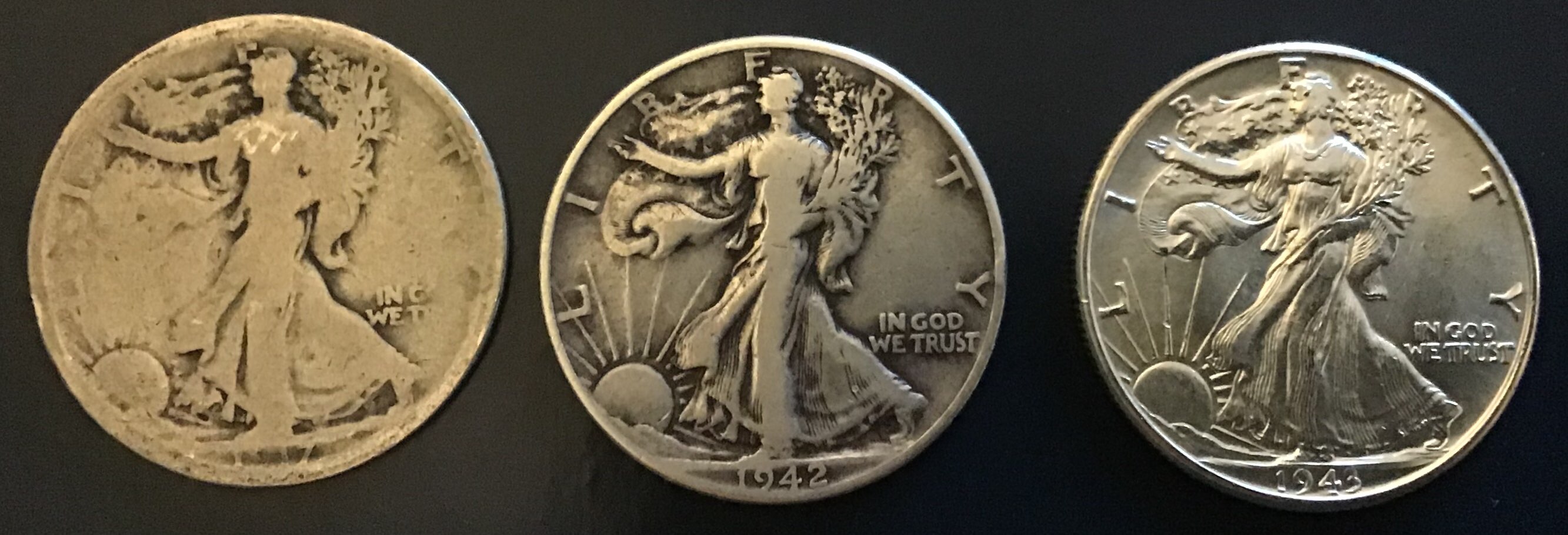
For Walking Liberty halves, the distinction between "weak strike" and "wear" is critical and frequently confuses beginners. A coin can be technically uncirculated (no wear) but still show incomplete detail on Liberty's hand because the dies didn't fully impress the design. Learning to distinguish strike weakness from actual circulation wear is essential for accurate grading.
Walking Liberty Half Dollar Collecting Strategies
Strategy 1: Short Set (1941–1947, Budget-Friendly)
Collect one coin from each date and mint mark in the final years of the series. This 20-coin set (1941 through 1947, all three mints where applicable) can be assembled in VF-20 for approximately $400–$600. It's an ideal introduction to the series and to silver half dollar collecting in general.
Strategy 2: Complete Date and Mint Set (1916–1947)
A complete set of all 65 date-and-mintmark combinations in circulated grades (VG-8 to Fine) will cost approximately $4,000–$10,000, with the 1921 trio accounting for a large portion. This is a serious numismatic undertaking that many collectors spend years completing.
Strategy 3: Key Dates and Semi-Keys Only
Focus on the coins with the strongest long-term value: the 1916-S, 1919-D, 1921, 1921-D, 1921-S, and 1938-D. Buy the best grade you can afford and insist on PCGS or NGC certification for any coin valued over $200.
Strategy 4: Type Set
Acquire one or two high-quality examples to represent the series in a 20th-century type set. Many collectors seek a gem MS-65 common date (1942 or 1943) for around $150–$500, plus a circulated early date with the obverse mint mark (1916-S or 1917-S) for variety.
Estimated Budget by Completion Level
| Collection Goal | Estimated Cost |
|---|---|
| Short set (1941–1947), VF-20 | $400–$600 |
| Complete by date and mint, VG-8 to F-12 | $4,000–$10,000 |
| Complete by date and mint, MS-63 | $100,000–$300,000+ |
| Complete by date and mint, MS-65 | $500,000–$1,500,000+ |
The American Silver Eagle Connection
The Walking Liberty design's most remarkable legacy is its revival on the American Silver Eagle, the U.S. Mint's official 1-ounce silver bullion coin introduced in 1986. The obverse of the Silver Eagle reproduces Weinman's Walking Liberty virtually unchanged, introducing the design to millions of modern investors and collectors who may never have seen an original Walking Liberty half dollar.
This connection creates a unique collecting opportunity: pairing an original Walking Liberty half dollar with a modern American Silver Eagle gives you the same iconic design across two eras, nearly 70 years apart. The enduring popularity of the Silver Eagle — it is the world's best-selling silver bullion coin — ensures that Weinman's original half dollar design will remain recognizable and sought-after for generations.
Where to Buy Walking Liberty Half Dollars
Coin Dealers and Shows
Walking Liberty halves are among the most actively traded coins in the U.S. numismatic market. Common dates in circulated grades are readily available from virtually any coin dealer, and major shows like the ANA World's Fair of Money feature extensive selections from dozens of specialized dealers.
Online Auctions and Marketplaces
- Heritage Auctions: The premier auction house for certified Walking Liberty halves, especially key dates and gem-quality coins
- eBay: Wide selection at all price points — always buy PCGS or NGC certified coins for purchases over $100
- Great Collections: Online auction site with competitive premiums and consistent Walking Liberty offerings
Silver Bullion Dealers
Common-date Walking Liberty halves are frequently sold as "90% silver half dollars" or "junk silver" by bullion dealers at modest premiums over silver melt value. This is the most economical way to acquire circulated examples, though you typically don't get to choose specific dates.
Authentication and Counterfeits
The 1921 trio (Philadelphia, Denver, San Francisco) and the 1916-S are the most frequently counterfeited dates. Common deceptions include:
- Added mint marks: Tooling a "D" or "S" onto a common Philadelphia coin, or altering a reverse-mintmark 1917 into the scarcer obverse-mintmark variety
- Cast counterfeits: Low-quality reproductions with soft details, incorrect weight (should be 12.50 grams), and visible seam lines
- Struck counterfeits: Higher-quality fakes from counterfeit dies, sometimes with correct weight but subtly wrong design details
- Altered dates: Changing a common date (like 1941) into a rare one (like 1921) by removing or adding digits
For any Walking Liberty half with a claimed value over $200, insist on PCGS or NGC certification. Both services guarantee authenticity and provide a standardized grade.
Where Is the Mint Mark?
- 1916 through early 1917: On the obverse, below "IN GOD WE TRUST" at approximately the 8 o'clock position
- Mid-1917 through 1947: On the reverse, on the lower left near the rim at approximately the 8 o'clock position
- Philadelphia coins: No mint mark in any year
Walking Liberty Half Dollar Investment Outlook
Walking Liberty halves have historically been strong performers supported by multiple demand drivers:
- "Most beautiful" status: Consistently ranked among the top 3 most beautiful U.S. coin designs ever produced, ensuring permanent collector demand
- Silver Eagle connection: The design's use on the world's best-selling bullion coin keeps it in the public consciousness and attracts crossover buyers
- Silver content: Each coin contains 0.3617 troy ounces of pure silver, providing a bullion floor that rises with silver prices
- Challenging completion: With 65 date-and-mintmark combinations including several genuinely rare issues, the series rewards dedicated collectors with a meaningful accomplishment
- Strike variety premium: The growing emphasis on strike quality (Full Strike designation) has created a secondary market within the series that rewards knowledgeable buyers
- Population control: Key dates like the 1921-D and 1921-S have small certified populations that concentrate value among existing holders
Frequently Asked Questions
How much is a Walking Liberty half dollar worth?
Most common-date Walking Liberty halves (1940s issues) are worth $15–$40 in circulated condition, supported by their 90% silver content. Key dates like the 1921-D ($150+ in About Good) and 1916-S ($75+ in About Good) are worth significantly more. The year, mint mark, condition, and strike quality all affect value. CoinID can instantly identify your Walking Liberty half dollar's date, mint mark, and approximate value from a photo.
What is the most valuable Walking Liberty half dollar?
The most valuable Walking Liberty half dollar is the 1921-D in gem uncirculated condition, with MS-65 examples valued at $40,000–$150,000+. The 1921-S is the condition rarity queen, with gem examples potentially reaching $200,000+. The overall series record belongs to superb gem examples that have sold for over $1 million at major auction houses like Heritage Auctions.
How can I tell if my Walking Liberty half dollar is valuable?
Check the date and mint mark first. Early dates (1916–1921) are the most valuable, with the 1921-D being the key to the series. The mint mark location depends on the year — on the obverse for 1916–early 1917, and on the reverse for mid-1917 through 1947. Next, assess condition and strike quality — well-struck, uncirculated examples with full hand detail are worth substantial premiums.
Are all Walking Liberty half dollars silver?
Yes. All Walking Liberty half dollars (1916–1947) are composed of 90% silver and 10% copper, each containing 0.3617 troy ounces of pure silver. There are no clad or base-metal versions. The series was replaced in 1948 by the Franklin half dollar, which maintained the same silver composition until the Coinage Act of 1965 reduced half dollar silver content to 40% (1965–1970) and then eliminated it entirely.
Should I clean my Walking Liberty half dollar?
Never clean a Walking Liberty half dollar. Natural toning — from light golden to deep blue-gray — is considered desirable by collectors and can increase value. Cleaning removes toning, damages the surface microscopically, and reduces value by 30–70%. Cleaned coins receive "Details" grades from PCGS and NGC, dramatically reducing their market value compared to problem-free examples at the same technical grade.
Why is the 1921-D so valuable?
The 1921-D has the lowest mintage of any Walking Liberty half dollar at just 208,000 coins. Combined with heavy circulation during the 1920s, very few examples survived in collectible condition. The coin is rare in any grade and extraordinarily rare in uncirculated condition. Even well-worn examples routinely sell for $150–$250.
What's the difference between obverse and reverse mint mark varieties?
In 1916 and early 1917, the mint mark (D for Denver, S for San Francisco) was placed on the obverse, below "IN GOD WE TRUST." Starting in mid-1917, it was moved to the reverse. This creates two distinct varieties for 1917-D and 1917-S coins. The obverse mint mark versions are scarcer and command premiums of 50–200% over the reverse mint mark versions.
Can I find Walking Liberty half dollars in circulation?
It's virtually impossible. Walking Liberty halves were largely pulled from circulation by the mid-1960s when rising silver prices made their metal content worth more than face value. However, they regularly appear at coin shops, estate sales, online auctions, and in inherited collections. Rolls of "junk silver" half dollars from bullion dealers often contain Walking Liberty halves mixed with Franklin and Kennedy halves.
How does the Walking Liberty compare to the American Silver Eagle?
The American Silver Eagle, introduced in 1986, uses Weinman's Walking Liberty obverse design virtually unchanged. The Silver Eagle is a 1-ounce .999 fine silver bullion coin (31.1 grams), while the original half dollar contains 0.3617 ounces of .900 fine silver (12.50 grams). Both share the same iconic obverse, making them natural collecting companions. The Silver Eagle's worldwide popularity has significantly boosted interest in the original Walking Liberty half dollars.
What year Walking Liberty half dollar should I start collecting?
For beginners, start with common 1940s dates in VF-20 to AU-50 condition, available for $22–$65 each. The 1942 and 1943 Philadelphia issues are the most affordable. Once familiar with the series, work backward into the scarcer 1930s and 1920s dates. Save the expensive 1916–1921 issues for last, when your grading skills are refined enough to avoid overpaying for weakly struck or overgraded examples.
Conclusion
The Walking Liberty half dollar series (1916–1947) stands as one of the crowning achievements in American coin design and one of the most rewarding collecting pursuits in numismatics. Adolph Weinman's masterful depiction of Liberty striding toward the sunrise has captivated collectors for over a century, and its revival on the American Silver Eagle ensures the design's legacy will endure indefinitely. With 65 date-and-mintmark combinations ranging from affordable common dates at $15–$40 to six-figure rarities, the series offers something for every collector and budget. The emphasis on strike quality adds a fascinating dimension that rewards careful study and connoisseurship beyond simple date-and-grade collecting. Whether you've found a Walking Liberty half in a family collection, are assembling a wartime short set, or are pursuing the legendary 1921-D in gem condition, CoinID helps you instantly identify your coins, check for valuable dates and varieties, and get current market values — just snap a photo and let the app do the work.