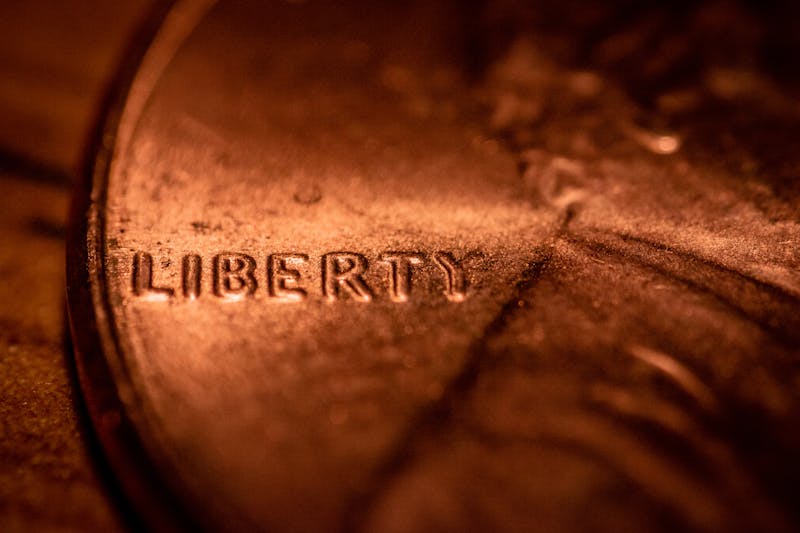
Quick Answer: Most circulated wheat pennies (1909–1958) are worth $0.03–$0.15 each. Key dates like the 1909-S VDB ($800–$2,000+), 1914-D ($200–$1,500+), and 1931-S ($75–$200+) command significant premiums. Uncirculated common-date wheat pennies bring $1–$10, while high-grade key dates can reach tens of thousands of dollars at auction.
The Lincoln wheat penny, minted from 1909 to 1958, is one of the most widely collected coins in American numismatics. Designed by Victor David Brenner, these cents feature Abraham Lincoln on the obverse and two wheat stalks framing "ONE CENT" on the reverse — earning them the beloved "wheat penny" nickname. With nearly 50 years of production across three mints, the series offers an enormous range of values from pocket-change affordable to six-figure rarities.
Wheat Penny Value Chart: Common Dates (1916–1958)
The vast majority of wheat pennies fall into the "common date" category. These coins were minted in large quantities and are readily available. The table below reflects typical market values for common-date wheat cents with no significant varieties.
| Grade | Value Range |
|---|---|
| Good (G-4) | $0.03–$0.05 |
| Very Good (VG-8) | $0.04–$0.08 |
| Fine (F-12) | $0.05–$0.10 |
| Very Fine (VF-20) | $0.07–$0.15 |
| Extremely Fine (EF-40) | $0.10–$0.25 |
| About Uncirculated (AU-50) | $0.50–$1.50 |
| Uncirculated (MS-60) | $1–$3 |
| Choice Uncirculated (MS-63) | $3–$8 |
| Gem Uncirculated (MS-65) | $10–$30 |
| Superb Gem (MS-66+) | $25–$100+ |
These values apply to dates like 1940–1958 Philadelphia issues, which had mintages often exceeding 500 million. Slightly scarcer dates from the 1920s and 1930s command modest premiums even in circulated grades.
Key Date Wheat Penny Values
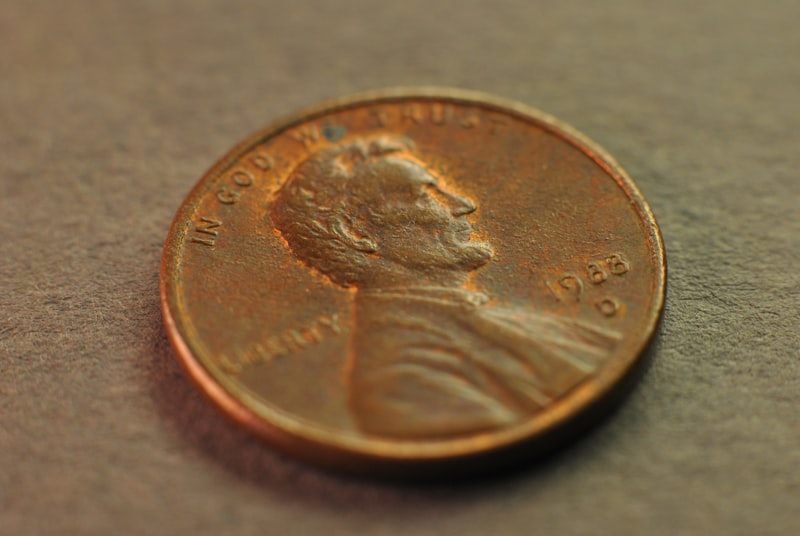
Key dates are the coins that make wheat penny collecting exciting. These coins had low mintages, high attrition, or both — making surviving examples significantly more valuable.
1909-S VDB Penny Value
The most famous wheat penny. Only 484,000 were struck at San Francisco with designer Victor David Brenner's initials "VDB" prominently placed on the reverse. Public backlash over the initials led the Mint to remove them after just a few days of production.
| Grade | Value Range |
|---|---|
| Good (G-4) | $800–$1,100 |
| Very Good (VG-8) | $1,000–$1,300 |
| Fine (F-12) | $1,200–$1,600 |
| Very Fine (VF-20) | $1,400–$1,900 |
| Extremely Fine (EF-40) | $1,700–$2,400 |
| About Uncirculated (AU-50) | $2,200–$3,000 |
| Uncirculated (MS-60) | $3,000–$4,500 |
| Choice Uncirculated (MS-63) | $5,000–$7,500 |
| Gem Uncirculated (MS-65) | $10,000–$15,000+ |
In 2014, a 1909-S VDB penny graded MS-67 Red sold for $300,000 at Heritage Auctions. The combination of low mintage, first-year status, and historical significance makes this the cornerstone of Lincoln cent collecting.
1914-D Penny Value
With a mintage of just 1,193,000, the 1914-D is the scarcest regular-issue wheat penny from the Denver mint. Counterfeits and altered dates (especially from 1944-D) are common, so authentication is critical.
| Grade | Value Range |
|---|---|
| Good (G-4) | $200–$300 |
| Very Good (VG-8) | $350–$500 |
| Fine (F-12) | $550–$800 |
| Very Fine (VF-20) | $900–$1,400 |
| Extremely Fine (EF-40) | $1,600–$2,500 |
| About Uncirculated (AU-50) | $3,000–$4,500 |
| Uncirculated (MS-60) | $5,000–$8,000 |
| Gem Uncirculated (MS-65) | $50,000–$100,000+ |
1909-S Penny Value (No VDB)
After the VDB initials were removed, San Francisco continued striking 1909-S cents. With a mintage of 1,825,000, this is still a semi-key date.
| Grade | Value Range |
|---|---|
| Good (G-4) | $80–$120 |
| Very Good (VG-8) | $100–$150 |
| Fine (F-12) | $130–$200 |
| Very Fine (VF-20) | $175–$275 |
| Extremely Fine (EF-40) | $250–$400 |
| About Uncirculated (AU-50) | $350–$550 |
| Uncirculated (MS-60) | $500–$800 |
| Gem Uncirculated (MS-65) | $2,500–$5,000+ |
1931-S Penny Value
The lowest-mintage wheat penny of the 1930s, with just 866,000 struck. Many were saved by collectors who recognized the low mintage at the time.
| Grade | Value Range |
|---|---|
| Good (G-4) | $75–$100 |
| Very Good (VG-8) | $85–$110 |
| Fine (F-12) | $95–$130 |
| Very Fine (VF-20) | $100–$150 |
| Extremely Fine (EF-40) | $125–$175 |
| About Uncirculated (AU-50) | $160–$225 |
| Uncirculated (MS-60) | $200–$275 |
| Choice Uncirculated (MS-63) | $250–$350 |
| Gem Uncirculated (MS-65) | $400–$600+ |
Semi-Key Date Wheat Penny Values
These dates aren't as rare as the top keys, but they consistently trade above common-date prices. Collectors building complete sets will spend more time and money finding these in nice condition.
| Date & Mint Mark | Mintage | Good (G-4) | Fine (F-12) | EF-40 | MS-63 |
|---|---|---|---|---|---|
| 1909 VDB (Philadelphia) | 27,995,000 | $8–$12 | $12–$18 | $20–$30 | $50–$80 |
| 1910-S | 6,045,000 | $12–$18 | $30–$50 | $80–$125 | $350–$600 |
| 1911-S | 4,026,000 | $20–$30 | $50–$80 | $130–$200 | $500–$900 |
| 1911-D | 12,672,000 | $5–$8 | $15–$25 | $50–$80 | $250–$450 |
| 1912-S | 4,431,000 | $15–$25 | $40–$65 | $110–$175 | $450–$750 |
| 1913-S | 6,101,000 | $10–$15 | $25–$40 | $75–$125 | $400–$700 |
| 1914-S | 4,137,000 | $15–$25 | $40–$65 | $100–$175 | $450–$750 |
| 1915-S | 960,000 | $15–$25 | $40–$75 | $150–$250 | $600–$1,000 |
| 1921-S | 15,274,000 | $1–$2 | $4–$8 | $30–$60 | $250–$500 |
| 1922 "No D" (Die Pair #2) | Unknown | $500–$700 | $1,000–$2,000 | $5,000–$10,000 | $20,000–$50,000+ |
| 1922-D (weak D) | 7,160,000 | $15–$25 | $35–$60 | $80–$150 | $400–$800 |
| 1924-D | 2,520,000 | $25–$40 | $60–$100 | $175–$300 | $800–$1,500 |
| 1926-S | 4,550,000 | $8–$12 | $18–$30 | $75–$140 | $600–$1,200 |
| 1931-D | 4,480,000 | $3–$6 | $8–$12 | $25–$40 | $100–$175 |
| 1933-D | 6,200,000 | $2–$4 | $4–$7 | $12–$20 | $75–$125 |
The 1922 "No D" Penny: A Special Case
In 1922, Lincoln cents were only minted in Denver. However, some coins were struck from heavily worn dies that failed to fully impress the "D" mint mark, creating the appearance of a Philadelphia-minted coin. These are classified as die varieties rather than true mint errors and are among the most sought-after wheat pennies.
PCGS recognizes three die pairs responsible for the weak or missing "D." Die Pair #2, which shows no trace of the mint mark, is the most valuable. Coins from Die Pairs #1 and #3 show a faint "D" and are designated "Weak D."
Complete Wheat Penny Value by Decade
Early Dates: 1909–1919
The earliest wheat pennies benefit from lower mintages and higher collector demand. Pre-1918 San Francisco issues are consistently scarce in all grades.
| Date | Mint | Mintage | VG-8 | VF-20 | MS-63 RB |
|---|---|---|---|---|---|
| 1909 | P | 72,702,618 | $2–$3 | $3–$5 | $30–$50 |
| 1909 VDB | P | 27,995,000 | $10–$14 | $14–$20 | $50–$80 |
| 1909-S | S | 1,825,000 | $100–$150 | $175–$275 | $500–$800 |
| 1909-S VDB | S | 484,000 | $1,000–$1,300 | $1,400–$1,900 | $5,000–$7,500 |
| 1910 | P | 146,801,218 | $0.30–$0.50 | $1–$2 | $30–$50 |
| 1910-S | S | 6,045,000 | $14–$22 | $25–$45 | $350–$600 |
| 1911 | P | 101,177,787 | $0.40–$0.75 | $2–$3 | $40–$60 |
| 1911-D | D | 12,672,000 | $6–$10 | $12–$20 | $250–$450 |
| 1911-S | S | 4,026,000 | $25–$35 | $40–$65 | $500–$900 |
| 1912 | P | 68,153,060 | $0.50–$1 | $2–$4 | $40–$65 |
| 1912-D | D | 10,411,000 | $5–$8 | $12–$20 | $200–$375 |
| 1912-S | S | 4,431,000 | $18–$30 | $35–$55 | $450–$750 |
| 1913 | P | 76,532,352 | $0.40–$0.75 | $2–$3 | $40–$65 |
| 1913-D | D | 15,804,000 | $2–$4 | $6–$10 | $150–$275 |
| 1913-S | S | 6,101,000 | $12–$18 | $20–$35 | $400–$700 |
| 1914 | P | 75,238,432 | $0.50–$1 | $2–$4 | $40–$65 |
| 1914-D | D | 1,193,000 | $350–$500 | $900–$1,400 | $5,000–$8,000 |
| 1914-S | S | 4,137,000 | $18–$28 | $35–$55 | $450–$750 |
| 1915 | P | 29,092,120 | $1–$2 | $3–$6 | $60–$100 |
| 1915-D | D | 22,050,000 | $1–$2 | $3–$5 | $80–$130 |
| 1915-S | S | 960,000 | $18–$28 | $40–$70 | $600–$1,000 |
| 1916 | P | 131,833,677 | $0.25–$0.50 | $1–$2 | $30–$50 |
| 1916-D | D | 35,956,000 | $0.50–$1 | $2–$4 | $55–$90 |
| 1916-S | S | 22,510,000 | $1–$2 | $3–$6 | $75–$130 |
| 1917 | P | 196,429,785 | $0.20–$0.40 | $0.75–$1.50 | $25–$40 |
| 1917-D | D | 55,120,000 | $0.40–$0.75 | $2–$4 | $55–$90 |
| 1917-S | S | 32,620,000 | $0.30–$0.60 | $1.50–$3 | $60–$100 |
| 1918 | P | 288,104,634 | $0.15–$0.30 | $0.50–$1 | $20–$35 |
| 1918-D | D | 47,830,000 | $0.30–$0.60 | $1.50–$3 | $55–$90 |
| 1918-S | S | 34,680,000 | $0.25–$0.50 | $1–$2 | $60–$100 |
| 1919 | P | 392,021,000 | $0.10–$0.20 | $0.30–$0.75 | $15–$25 |
| 1919-D | D | 57,154,000 | $0.25–$0.50 | $1–$2 | $50–$80 |
| 1919-S | S | 139,760,000 | $0.15–$0.30 | $0.50–$1 | $30–$50 |
The 1920s: Scarce Branch Mint Issues
Denver and San Francisco mintages dropped significantly in the 1920s, creating many semi-key dates. The 1924-D and 1926-S stand out as the most expensive.
| Date | Mint | Mintage | VG-8 | VF-20 | MS-63 RB |
|---|---|---|---|---|---|
| 1920 | P | 310,165,000 | $0.10–$0.20 | $0.30–$0.75 | $15–$25 |
| 1920-D | D | 49,280,000 | $0.30–$0.60 | $1.50–$3 | $75–$130 |
| 1920-S | S | 46,220,000 | $0.20–$0.40 | $0.75–$1.50 | $60–$100 |
| 1921 | P | 39,157,000 | $0.15–$0.30 | $0.50–$1 | $30–$55 |
| 1921-S | S | 15,274,000 | $1–$2 | $3–$6 | $250–$500 |
| 1922-D | D | 7,160,000 | $15–$25 | $25–$40 | $200–$350 |
| 1923 | P | 74,723,000 | $0.10–$0.20 | $0.30–$0.60 | $15–$25 |
| 1923-S | S | 8,700,000 | $2–$4 | $5–$10 | $250–$450 |
| 1924 | P | 75,178,000 | $0.10–$0.20 | $0.30–$0.60 | $15–$25 |
| 1924-D | D | 2,520,000 | $30–$45 | $55–$90 | $800–$1,500 |
| 1924-S | S | 11,696,000 | $1–$2 | $3–$6 | $150–$275 |
| 1925 | P | 139,949,000 | $0.10–$0.15 | $0.20–$0.40 | $10–$18 |
| 1925-D | D | 22,580,000 | $0.30–$0.60 | $1.50–$3 | $65–$110 |
| 1925-S | S | 26,380,000 | $0.25–$0.50 | $1–$2 | $60–$100 |
| 1926 | P | 157,088,000 | $0.08–$0.15 | $0.20–$0.35 | $8–$14 |
| 1926-D | D | 28,020,000 | $0.25–$0.50 | $1–$2 | $40–$70 |
| 1926-S | S | 4,550,000 | $5–$10 | $10–$20 | $600–$1,200 |
| 1927 | P | 144,440,000 | $0.08–$0.15 | $0.20–$0.35 | $8–$14 |
| 1927-D | D | 27,170,000 | $0.25–$0.50 | $1–$2 | $35–$60 |
| 1927-S | S | 14,276,000 | $0.75–$1.50 | $2–$4 | $100–$200 |
| 1928 | P | 134,116,000 | $0.08–$0.15 | $0.20–$0.35 | $8–$14 |
| 1928-D | D | 31,170,000 | $0.20–$0.40 | $0.75–$1.50 | $30–$50 |
| 1928-S | S | 17,266,000 | $0.50–$1 | $2–$3 | $75–$130 |
| 1929 | P | 185,262,000 | $0.08–$0.12 | $0.15–$0.30 | $8–$14 |
| 1929-D | D | 41,730,000 | $0.15–$0.30 | $0.50–$1 | $20–$35 |
| 1929-S | S | 50,148,000 | $0.10–$0.20 | $0.35–$0.75 | $18–$30 |
The 1930s: Depression-Era Scarcity
The Great Depression slashed coin production. Several dates from 1931–1933 have remarkably low mintages. The 1931-S is the headliner, but even common dates from this era carry slight premiums.
| Date | Mint | Mintage | VG-8 | VF-20 | MS-63 RB |
|---|---|---|---|---|---|
| 1930 | P | 157,415,000 | $0.08–$0.12 | $0.15–$0.30 | $6–$12 |
| 1930-D | D | 40,100,000 | $0.10–$0.20 | $0.30–$0.60 | $12–$22 |
| 1930-S | S | 24,286,000 | $0.10–$0.20 | $0.30–$0.60 | $12–$22 |
| 1931 | P | 19,396,000 | $0.40–$0.75 | $1–$2 | $30–$55 |
| 1931-D | D | 4,480,000 | $3–$5 | $5–$9 | $100–$175 |
| 1931-S | S | 866,000 | $85–$110 | $100–$150 | $250–$350 |
| 1932 | P | 9,062,000 | $1.50–$2.50 | $2.50–$4 | $40–$65 |
| 1932-D | D | 10,500,000 | $1–$1.75 | $2–$3.50 | $30–$50 |
| 1933 | P | 14,360,000 | $1–$1.50 | $2–$3 | $25–$40 |
| 1933-D | D | 6,200,000 | $2–$4 | $3.50–$6 | $75–$125 |
| 1934 | P | 219,080,000 | $0.05–$0.10 | $0.12–$0.20 | $6–$10 |
| 1934-D | D | 28,446,000 | $0.10–$0.20 | $0.30–$0.60 | $15–$25 |
| 1935 | P | 245,388,000 | $0.04–$0.08 | $0.08–$0.15 | $5–$8 |
| 1935-D | D | 47,000,000 | $0.06–$0.12 | $0.15–$0.25 | $8–$14 |
| 1935-S | S | 38,702,000 | $0.06–$0.12 | $0.15–$0.25 | $8–$14 |
| 1936 | P | 309,632,000 | $0.04–$0.06 | $0.08–$0.12 | $4–$7 |
| 1936-D | D | 40,620,000 | $0.06–$0.10 | $0.12–$0.20 | $6–$10 |
| 1936-S | S | 29,130,000 | $0.06–$0.10 | $0.12–$0.20 | $6–$10 |
| 1937–1939 (typical) | All | High | $0.04–$0.10 | $0.08–$0.20 | $4–$10 |
The 1940s and 1950s: High-Mintage Years
Post-Depression mintages soared. With the exception of the wartime 1943 steel penny and a few varieties, these decades are the most affordable for collectors.
| Date | Mint | Mintage | VF-20 | MS-63 RB |
|---|---|---|---|---|
| 1940 | P | 586,825,000 | $0.05–$0.10 | $3–$5 |
| 1940-D | D | 81,390,000 | $0.08–$0.15 | $4–$7 |
| 1940-S | S | 112,940,000 | $0.06–$0.12 | $3–$6 |
| 1941 | P | 887,039,100 | $0.05–$0.08 | $3–$5 |
| 1941-D | D | 128,700,000 | $0.06–$0.12 | $4–$7 |
| 1941-S | S | 92,360,000 | $0.08–$0.15 | $5–$8 |
| 1942 | P | 657,828,600 | $0.04–$0.08 | $3–$5 |
| 1942-D | D | 206,698,000 | $0.04–$0.08 | $3–$5 |
| 1942-S | S | 85,590,000 | $0.08–$0.15 | $5–$8 |
| 1944–1946 | All | Very High | $0.03–$0.06 | $2–$5 |
| 1947–1949 | All | High | $0.03–$0.08 | $2–$5 |
| 1950–1958 | All | High | $0.03–$0.06 | $1–$4 |
For individual year breakdowns, the PCGS CoinFacts database and NGC Census provide detailed population and pricing data.
Valuable Wheat Penny Errors Worth Money
Error coins can turn an otherwise common wheat penny into a valuable find. Here are the most sought-after wheat penny errors.
1955 Doubled Die Obverse
The most famous Lincoln cent error. Dramatic doubling is visible on the date, "LIBERTY," and "IN GOD WE TRUST" without magnification. Approximately 20,000–24,000 were released into circulation.
| Grade | Value Range |
|---|---|
| Good (G-4) | $1,200–$1,500 |
| Fine (F-12) | $1,500–$2,000 |
| Very Fine (VF-20) | $1,800–$2,500 |
| Extremely Fine (EF-40) | $2,200–$3,500 |
| About Uncirculated (AU-50) | $3,500–$5,000 |
| Uncirculated (MS-60) | $5,000–$8,000 |
| Choice Uncirculated (MS-63) | $10,000–$18,000 |
| Gem Uncirculated (MS-65) | $30,000–$50,000+ |
A 1955 DDO graded MS-65 Red has sold for over $100,000 at auction. Use CoinID's close-up photo feature to compare your coin against known examples of this error.
1972 Doubled Die Obverse
The second most prominent Lincoln cent doubled die. Strong doubling on "LIBERTY" and "IN GOD WE TRUST" is visible to the naked eye. Less expensive than the 1955 but highly collectible.
| Grade | Value Range |
|---|---|
| Fine (F-12) | $150–$250 |
| Very Fine (VF-20) | $250–$400 |
| Extremely Fine (EF-40) | $400–$600 |
| Uncirculated (MS-63) | $700–$1,200 |
| Gem Uncirculated (MS-65) | $2,000–$4,000+ |
Other Notable Wheat Penny Errors
| Error Type | Dates to Check | Value Range |
|---|---|---|
| 1943 Copper (wrong planchet) | 1943, 1943-D, 1943-S | $100,000–$1,700,000 |
| 1944 Steel (wrong planchet) | 1944, 1944-D, 1944-S | $30,000–$400,000 |
| Off-Center Strikes (10–50%) | Any date, date visible | $5–$200+ |
| Broadstrikes (no collar) | Any date | $10–$75 |
| Clipped Planchets | Any date | $3–$50 |
| Die Cracks/Cuds | Any date, major cud | $5–$100+ |
| Struck-Through Errors | Any date | $10–$100+ |
| Repunched Mint Marks | Various, especially 1940s–50s | $5–$50 |
How to Grade Wheat Pennies
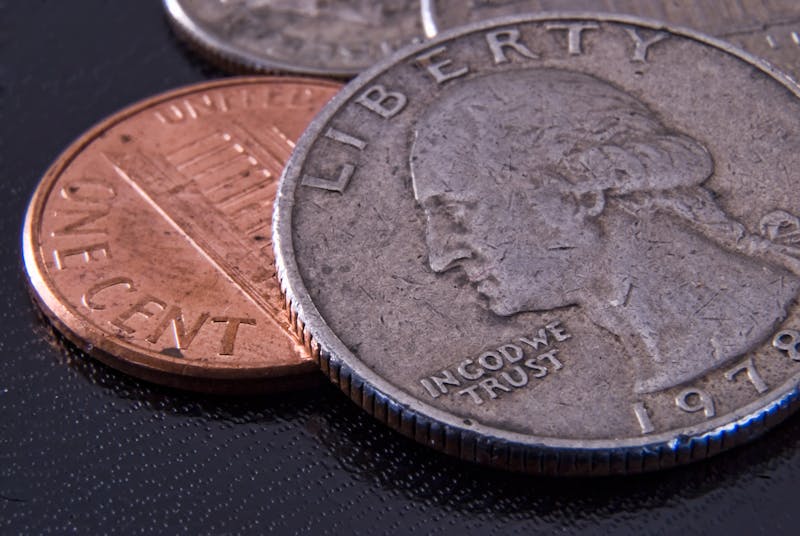
Understanding coin grading is essential for determining value. The Sheldon scale runs from 1 to 70, with 70 being a theoretically perfect coin.
Key Wear Points on Lincoln Wheat Cents
- Lincoln's cheekbone and jaw: The highest points on the portrait, first to show friction
- Hair detail above the ear: Fine hair strands merge as the coin circulates
- Wheat stalk tips on reverse: Sharp on uncirculated coins, flattened with wear
- "LIBERTY" in the headband: Individual letters become indistinct in lower grades
- Date digits: Should be sharp and fully separated; weak dates reduce value
Quick Grading Reference
| Grade | What to Look For |
|---|---|
| Good (G-4) | Outline of Lincoln visible, date and mint mark readable, wheat stalks flat |
| Very Good (VG-8) | Some hair detail visible, "LIBERTY" partially readable |
| Fine (F-12) | About half the hair detail visible, complete "LIBERTY" |
| Very Fine (VF-20) | Most hair detail visible, sharp wheat stalks with some flat areas |
| Extremely Fine (EF-40) | Nearly full hair detail, slight wear on highest points only |
| About Uncirculated (AU-50) | Trace of wear on cheekbone and hair, most luster present |
| Uncirculated (MS-60+) | No wear, varies by luster, strike quality, and contact marks |
Color Designations Matter
For uncirculated wheat pennies, PCGS and NGC assign color designations that significantly affect value:
- Red (RD): 95%+ original copper-red color. Commands the highest premium, often 3–5x more than Brown.
- Red-Brown (RB): Mix of red and brown toning. Moderate premium over Brown.
- Brown (BN): Fully toned to chocolate brown. The most common and least expensive designation for uncirculated coins.
A common-date 1944 penny in MS-65 Brown might be worth $8, while the same date in MS-65 Red could bring $30–$50. Color preservation depends on storage conditions and original alloy mix.
Where to Find Wheat Pennies
Searching Rolls and Pocket Change
While wheat pennies are becoming scarcer in circulation, they still turn up. Customer-wrapped bank rolls are more likely to contain wheat cents than machine-counted rolls.
Coin Dealers and Shows
Most coin shops maintain a stock of wheat pennies sorted by date and grade. Coin shows offer the advantage of comparing dealers' offerings side by side.
Online Markets
- Heritage Auctions: Premier auction house for certified wheat pennies
- eBay: Wide selection at all price points; buy certified (PCGS/NGC) for expensive dates
- Dealer websites: Many specialize in Lincoln cents and offer inventory by date
Estate Sales and Inherited Collections
Wheat pennies are among the most commonly inherited coins. If you've received a collection, sorting by date and mint mark is the first step to understanding its value. CoinID can identify each coin instantly from a photo, saving hours of manual sorting.
Building a Wheat Penny Collection
Starter Strategy: Fill the Easy Holes First
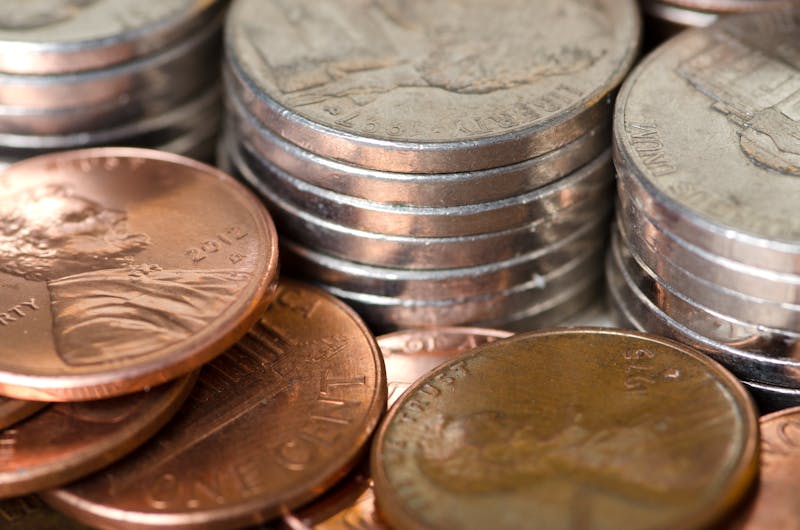
Most collectors start with an affordable goal—one coin per year from 1941–1958—and work backward toward the scarcer dates. A complete set of common dates (one per year, any mint) can be assembled for under $20.
Intermediate Goal: Complete by Mint Mark
A full set of wheat pennies by date and mint mark includes roughly 143 coins (excluding major varieties). Most dates through the 1930s will cost $0.10–$5 each. The challenge — and cost — comes from the key dates.
Budget Guide for a Complete Collection
| Completion Level | Estimated Cost |
|---|---|
| One per year, any mint (1909–1958) | $50–$150 |
| Complete by mint mark, G-4 to VG-8 | $3,000–$6,000 |
| Complete by mint mark, F-12 to VF-20 | $6,000–$12,000 |
| Complete by mint mark, MS-63 RB | $50,000–$100,000+ |
Storage and Preservation Tips
- Use a quality coin album (Dansco, Whitman) designed for Lincoln cents
- Handle coins by the edges to avoid fingerprints
- Store in a cool, dry environment with stable humidity
- Never clean your coins — original surfaces are always preferred by collectors
- For valuable individual coins, use archival-quality 2x2 flips or hard plastic holders
- Consider professional grading (PCGS or NGC) for any coin worth $100+
Wheat Penny Myths Debunked
Myth: "All wheat pennies are rare." Reality: With billions minted over 50 years, most wheat pennies are common. The value lies in specific key dates, mint marks, and condition.
Myth: "A 1943 copper penny is worth a million dollars." Reality: While genuine examples are extremely valuable ($100,000–$1,700,000), the vast majority of "1943 copper pennies" are copper-plated steel cents or altered 1948 pennies worth nothing extra.
Myth: "Cleaning a dirty wheat penny increases its value." Reality: Cleaning permanently damages a coin's surface and almost always decreases value. Collectors and grading services prefer original, uncleaned surfaces.
Myth: "Wheat pennies from the year I was born are worth more." Reality: Value is driven by mintage, survival rate, and condition — not personal significance. Though birth-year coins make meaningful gifts regardless of monetary value.
Frequently Asked Questions
What is the most valuable wheat penny?
The 1943-D copper penny holds the record, selling for $1,700,000 in 2019. Among regular issues (non-errors), the 1909-S VDB in gem condition is the most valuable, with MS-67 Red examples selling for $300,000+.
How much is a wheat penny worth in average condition?
Most common-date wheat pennies in average circulated condition (Good to Fine) are worth $0.03–$0.15 each. Dealers typically buy common wheats at 2–3 cents each in bulk and sell them for 5–15 cents individually.
What years of wheat pennies are worth the most?
The most valuable years by mint mark are 1909-S VDB, 1914-D, 1931-S, 1909-S, 1924-D, 1911-S, and 1915-S. The 1922 "No D" variety and the 1955 doubled die obverse are also among the most valuable.
Are wheat pennies worth collecting?
Wheat pennies are one of the best entry points into coin collecting. They're affordable, widely available, historically significant, and offer the excitement of finding key dates and errors. The series spans nearly 50 years of American history, from the early automobile era through two World Wars.
How can I tell what my wheat penny is worth?
Check the date and mint mark (below the date on the obverse), then assess the coin's condition using the grading guide above. For a quick identification and estimated value, use the CoinID app — just photograph your coin and get instant results including date, mint mark, condition assessment, and current market values.
Where is the mint mark on a wheat penny?
The mint mark is located on the obverse (front) below the date. "D" indicates Denver, "S" indicates San Francisco, and no mint mark means the coin was struck in Philadelphia. The mint mark is small and may require magnification to read clearly on worn coins.
Should I get my wheat penny graded by PCGS or NGC?
Professional grading is recommended for coins you believe are worth $100 or more. The cost of grading ($30–$50+ per coin) makes it impractical for common dates, but it protects your investment on key dates and high-grade coins by providing authentication and a standardized grade.
Conclusion
The Lincoln wheat penny series (1909–1958) offers something for every collector and budget — from building an affordable set of common dates to pursuing registry-quality key dates. Understanding which dates, mint marks, and varieties carry premiums is the first step to knowing what your wheat pennies are actually worth. Whether you've inherited a jar of old pennies or are strategically building a collection, having the right information makes all the difference. Use CoinID to quickly identify your wheat pennies, assess their condition, and get current market values — just snap a photo of your coin and let the app handle the rest.